Arbut: Strategic Typography for Brands That Command Attention
In a saturated digital landscape, the difference between being noticed and being ignored often comes down to visual impact. For brands operating in niche markets—whether in alternative fashion, gaming, or dark fantasy—their visual identity must immediately convey a specific, visceral emotion. This is where the choice of typography shifts from a simple aesthetic decision to a core strategic asset. Enter Arbut, an aggressive display typeface designed not just to be read, but to be felt. It is a tool for those who need to communicate power, wildness, and an unapologetic edge.
Understanding Arbut's Core Identity
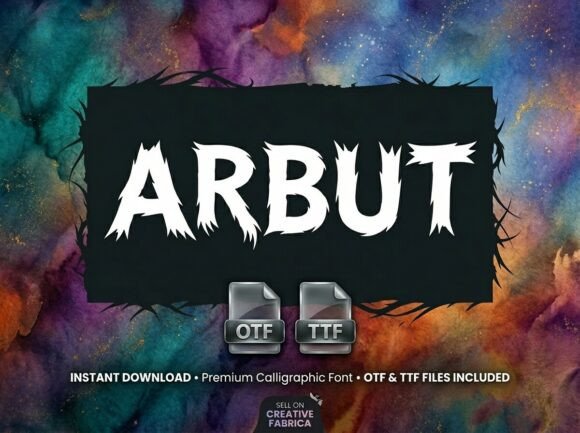
Arbut is a display typeface characterized by its heavy structural weight and primal personality. Its letterforms are bold and jagged, featuring unique, hand-drawn textures that evoke fur, fangs, and splintered edges. This design bridges the gap between the raw energy of dark fantasy illustration and the polished demand of modern branding. It is not a font for body text or gentle communication; it is a specialized instrument for high-impact headlines, logos, and headers where a feral-and-fearsome soul must come through.
From a strategic perspective, using Arbut is a deliberate choice to position a brand outside mainstream conventions. Its visual language speaks directly to audiences who value authenticity, rebellion, and a connection to darker, more primal themes. For an independent apparel label, a gothic horror publisher, or an esports team, this font can become the cornerstone of their visual identity, instantly signaling their niche and values.
Strategic Applications: When to Deploy Arbut
The effectiveness of Arbut hinges entirely on context and intentional use. It is not a universal solution but a powerful niche tool. Its strategic value is maximized when aligned with specific goals and audience expectations.
For Brand Positioning and Identity
If your brand’s core message revolves around strength, wildness, or an alternative aesthetic, Arbut can anchor your entire visual system. Consider its use for:
- Alternative Apparel Labels: For brands selling streetwear with occult, punk, or wilderness themes, Arbut in a logo or primary headline font immediately communicates the brand’s rebellious spirit. It tells the customer, “This is not for the mainstream,” which is a powerful filtering and bonding mechanism.
- Gaming and Esports Teams: A team’s logo and name are its battle standard. Arbut’s aggressive, textured look conveys ferocity and competitive edge, helping to build a fearsome reputation before a match even begins. It supports team branding that is memorable and intimidating.
- Horror and Fantasy Publishers: Book covers, especially in the dark fantasy and horror genres, rely on typography to set the tone. Arbut’s jagged, splintered edges can make a title feel dangerous and immersive, appealing directly to genre enthusiasts looking for an authentic experience.
For Marketing and Communication Assets
Beyond static logos, Arbut can be strategically deployed in high-impact marketing materials where capturing attention in seconds is critical. Its heavy weight and unique texture ensure it stands out even at small sizes in crowded feeds.
- Social Media Headers and Ads: A bold, wild header on a platform like Twitter or YouTube can stop the scroll. Using Arbut for a key phrase in an ad campaign for a new product drop or game launch can create immediate intrigue and communicate the campaign’s aggressive energy.
- Event Branding: For music festivals in the metal or industrial genres, horror conventions, or RPG game nights, Arbut can dominate posters and digital invites, setting the event’s atmosphere from the first glance.
- Product Packaging: For small-batch producers of items like craft hot sauces, themed spirits, or artisanal knives with a rugged aesthetic, Arbut on the label can enhance the perceived potency and character of the product.
Implementation: Best Practices and Considerations
Adopting a typeface as distinctive as Arbut requires a thoughtful approach to avoid visual chaos or brand misalignment. It should be a conscious part of your creative and operational planning.
Pairing and Hierarchy
Arbut demands a supporting cast. Its aggressive nature means it should almost never be used for long-form text. The strategic move is to pair it with a highly legible, neutral sans-serif or serif font for body copy. This creates a clear visual hierarchy: Arbut captures attention and conveys mood, while the secondary font delivers the detailed information. For example, a website might use Arbut for the main hero headline and navigation links, but switch to a clean font like Inter or Roboto for all descriptive paragraphs and buttons.
Contextual Appropriateness
Before committing to Arbut, rigorously evaluate if it aligns with your audience and message. Using it for a children’s educational brand or a luxury wellness spa would create cognitive dissonance and damage credibility. Its power is specific. Conduct audience research: does your customer base respond to dark, edgy, or primal aesthetics? If the answer is a clear yes, then Arbut can be a unifying element. If not, it will be a distraction.
Technical and Legal Readiness
Ensure you have the proper licensing for any intended use—whether for a logo, merchandise, or digital ads. Also, consider its performance across platforms. While it’s a vector-based font ideal for scaling, its detailed textures might require testing at very small sizes on mobile devices to ensure legibility for key information like a brand name or a call-to-action.
The Risks of Misapplication
The most significant risk in using a font like Arbut is applying it without a clear strategic goal. Randomly using it because it “looks cool” can lead to several negative outcomes:
- Brand Confusion: If Arbut is used on materials that don’t align with a wild or dark aesthetic, it sends mixed signals to your audience, undermining brand trust.
- Reduced Readability: Overusing it, especially in smaller sizes or for lengthy text, can frustrate users and drive them away, harming the user experience and conversion rates.
- Trend Dependency: Leaning too heavily on a very specific, trendy font can date your brand quickly. The goal is to use Arbut to express a timeless core value (like “ferocity” or “rebellion”), not to chase a fleeting design fad.
Long-Term Value and Creative Evolution
When used intentionally, Arbut becomes more than a font; it becomes a brand asset that contributes to long-term recognition. Its unique character can help a small business carve out a distinct visual niche in a competitive market. Over time, audiences may begin to associate the specific texture and weight of Arbut with your brand’s identity, much like certain color palettes or logo shapes become synonymous with major brands.
Furthermore, its hand-drawn, organic quality offers creative flexibility. It can be adapted for special edition releases, seasonal campaigns, or collaborative projects with illustrators, allowing the brand’s visual language to evolve while maintaining its core, primal edge. The key is to view Arbut not as a static solution but as a dynamic component of your brand’s toolkit—to be used thoughtfully, tested, and refined as your strategy and audience evolve.
In conclusion, Arbut is a specialized instrument for brands that need to communicate a specific, powerful message. Its value is realized not through random application, but through strategic integration into a cohesive brand identity, targeted marketing, and audience-specific communication. By understanding its strengths, respecting its context, and pairing it wisely, entrepreneurs, creators, and marketers can leverage Arbut to build a distinctive presence that resonates deeply with their chosen audience and supports their long-term objectives.