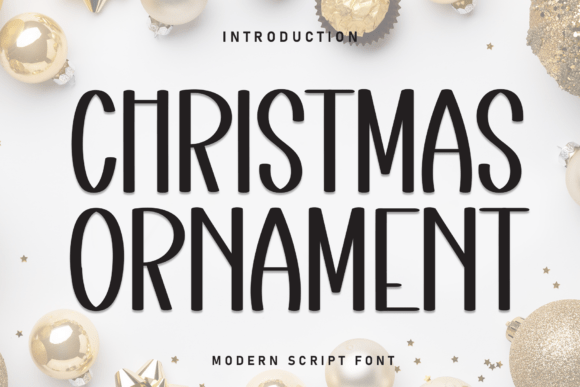
The Christmas Ornament Renaissance: Crafting Memories with Sweet and Friendly Design
The act of hanging a Christmas ornament on a tree branch is a ritual steeped in nostalgia. For many, it is the physical manifestation of a memory—a glass bauble inherited from a grandparent, a ceramic piece made in grade school, or a souvenir from a significant trip. However, the landscape of holiday decorating is shifting. We are moving away from the era of mass-produced, identical box sets toward a desire for hyper-personalization. Today’s creators, small business owners, and homeowners are seeking ways to infuse their holiday aesthetic with distinct personality. This shift highlights a broader trend in design: the hunger for the "human touch" in an increasingly digital world. To achieve this, the tools we use matter just as much as the materials. Enter the power of typography, specifically the Sweet and Friendly display font, which offers a bridge between professional design and the warmth of a handwritten note.
The Evolution of Holiday Aesthetics
In the past, professional holiday decor often meant symmetry, metallic sheens, and rigid uniformity. While there is still a place for that classic elegance, current trends favor a more eclectic and artisanal approach. The modern Christmas ornament is often a DIY project, a boutique purchase from an Etsy seller, or a digitally printed creation that tells a specific story. This evolution is driven by a desire to reclaim the holiday season from commercialization and return it to a celebration of individual relationships and memories.
This trend extends beyond the physical baubles hanging on pine needles; it permeates the entire ecosystem of holiday communication. From the tags attached to gifts to the invitations for the annual holiday party, the expectation is shifting toward warmth and authenticity. Generic, sterile fonts no longer suffice. When a recipient receives a card or looks at a gift tag, the visual language needs to convey intimacy immediately. This is where the aesthetic of the Christmas ornament merges with graphic design, creating a cohesive atmosphere of joy and connection.
The Power of Handwritten Typography
Why does a handwritten style hold such power over us? Psychologically, handwriting signals effort, time, and care. In a world of digital printing and automation, seeing script that mimics the human hand triggers a response of value and affection. However, not everyone has the penmanship of a calligrapher, and hand-lettering hundreds of gift tags or invitation envelopes is rarely feasible for busy professionals or entrepreneurs.
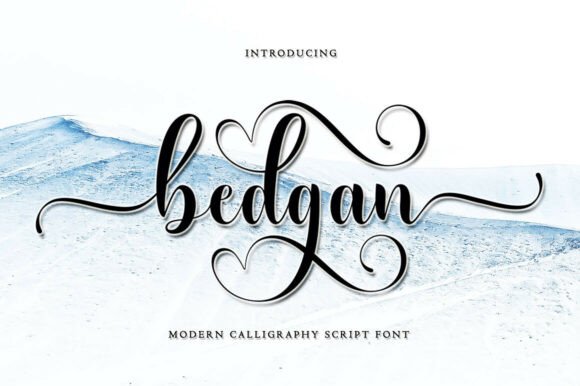
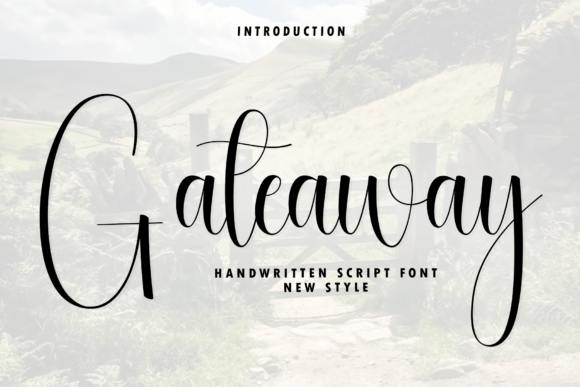
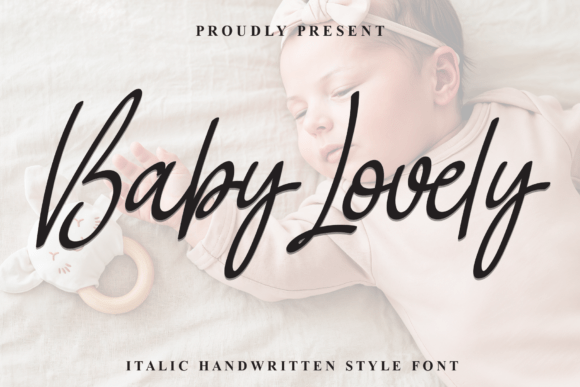
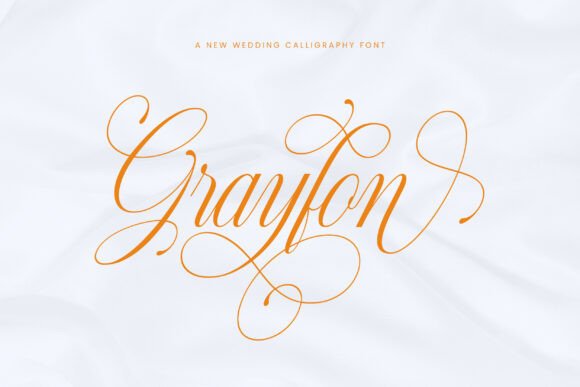
This is the gap that personality-packed display fonts fill. They allow for the scalability of digital design with the emotional resonance of analog art. The Sweet and Friendly font, for instance, is designed to bridge this exact gap. It is not merely a script; it is a voice. With its playful handwritten style, it infuses a delightful twist to wedding invitations, cards, or any design craving a joyful touch. When applied to a Christmas ornament design—whether printed on a wooden disc or etched onto acrylic—the font transforms the object from a mere decoration into a conversational piece.
Integrating Sweet and Friendly into Holiday Projects
For creators, marketers, and hobbyists, the practical application of a font like Sweet and Friendly is vast. It is about turning the everyday into an enchanting experience. The font makes every word feel like an intimate, handcrafted message, which is the ultimate goal of holiday gifting and decor.
1. Personalized Ornament Design
The most direct application is, of course, on the ornaments themselves. Modern crafters often use materials like clay, wood slices, or clear acrylic to create custom decor. By using a playful font, you can add names, dates, or short phrases like "Baby's First Christmas" or "Family Vacation 2023" without the design looking stiff. The Sweet and Friendly typeface works particularly well here because its organic curves mimic the natural irregularities of handmade craft materials. It complements the texture of a rough wood slice or the gloss of ceramic glaze, ensuring the text feels like part of the object rather than a sticker slapped on top.
2. Elevating Holiday Correspondence
Businesses and freelancers often struggle to find the right tone for holiday client gifts or marketing emails. You want to appear professional, but the holidays demand warmth. A font like Sweet and Friendly allows a brand to lower its guard slightly, inviting customers into a relationship rather than a transaction. Imagine a boutique bakery using this font on their packaging for holiday cookie boxes, or a photographer using it on the "Thank You" cards sent with print orders. It signals that there is a human behind the business who cares about the recipient's joy.
3. Digital Assets and Social Media
In the realm of digital marketing, standing out is difficult. Holiday posts are ubiquitous in December. Using a distinctive display font for Instagram stories, Pinterest graphics, or website banners can stop the scroll. The whimsical nature of a handwritten font draws the eye and creates an emotional hook before the viewer even reads the content. It sets a mood of celebration and approachability, which is essential for engagement during the busy holiday season.
Practical Considerations for Designers
When incorporating a display font into your projects, balance is key. Because Sweet and Friendly is rich in personality, it works best as a headline or accent font rather than for body text. Here are a few practical tips for implementation:
- Contrast is Crucial: Pair the playful handwritten style of Sweet and Friendly with a clean, sans-serif font for smaller details like dates or addresses. This ensures legibility while maintaining the artistic flair of the headline.
- Color Psychology: While red and green are traditional, this font style pairs beautifully with pastel palettes, earth tones, or even monochromatic schemes. The "friendly" nature of the font allows it to carry softer colors that might otherwise feel too subdued for the holidays.
- Spacing Matters: Handwritten fonts often require slightly more generous letter spacing (tracking) than standard serif fonts to ensure clarity, especially when printed on textured materials like cardstock or wood.
The Business of Joy
For entrepreneurs and small business owners, the holiday season is a critical revenue period. However, it is also a time to build brand loyalty. Customers remember how a brand made them feel. A generic "Happy Holidays" email is easily forgotten. But a beautifully designed digital card, or a physical package featuring a warm, hand-lettered style message, creates a positive emotional association.
Using a font like Sweet and Friendly is a strategic choice to humanize a brand. It suggests that the business values joy and connection. For educators and community leaders, using this style for event flyers or school newsletters can increase engagement by making the content feel more accessible and less bureaucratic. It invites participation rather than demanding compliance.
Conclusion: The Art of Connection
Ultimately, the resurgence of interest in the personalized Christmas ornament and the popularity of handwritten display fonts point to the same fundamental human need: the desire to be seen and to connect. We want our decorations to reflect our stories, and we want our words to convey genuine emotion.
By leveraging tools like the Sweet and Friendly font, you are doing more than just decorating a tree or designing an invitation. You are curating an experience. You are taking the mundane—paper, wood, digital screens—and transforming it into something that sparks a smile. In a fast-paced world, taking the time to choose a font that feels like a handwritten note is a small act of rebellion against the impersonal. It is a way to ensure that every Christmas ornament hung, every card opened, and every invitation received feels like an intimate, handcrafted message meant just for the recipient.