Aromatic: A Strategic Font for Autumn Branding and Elegant Design
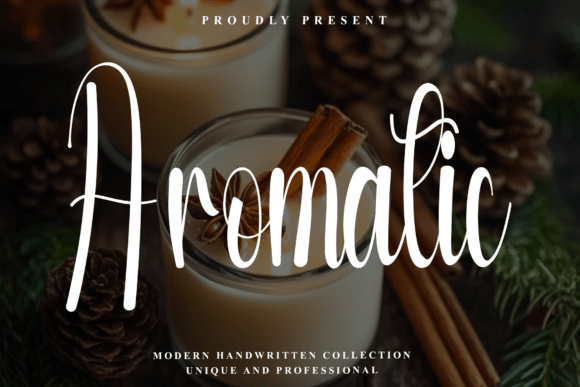
In the world of typography, the choice of font is a foundational strategic decision that shapes perception long before a single word is read. The Aromatic typeface emerges not merely as a collection of letters, but as a sophisticated and rhythmic script designed to evoke a specific, high-end seasonal mood. It is a modern handwritten font characterized by high-contrast strokes—featuring thick, grounded downstrokes paired with delicate hairline connectors. With its vertically elongated letterforms and graceful, looping ascenders, Aromatic mimics the precision of high-end inkwork. For entrepreneurs, marketers, and creators, understanding this font is about recognizing a tool that communicates luxury, warmth, and artisanal quality, particularly within the context of autumnal marketing and boutique branding.
Understanding the Visual Voice of Aromatic
To make better decisions regarding brand assets, one must first analyze the inherent qualities of the tool. Aromatic is classified as a rhythmic script, which means it carries a natural flow and cadence. Unlike standard sans-serif fonts that prioritize pure utility, Aromatic prioritizes emotion and aesthetic experience. The "unique and professional" autumnal visual voice it embodies is derived from its structural composition. The thick downstrokes provide a sense of stability and grounding, which psychologically anchors the viewer, while the hairline connectors offer agility and elegance.
This high-contrast approach ensures that the text remains legible while still feeling artistic. For a professional or business owner, this balance is critical. You want a font that feels personal and crafted—mimicking the feel of a handwritten letter—but retains the polish required for commercial application. The elongated letterforms give the text vertical energy, making it excellent for headers and display text where you need to command attention without shouting. It is a typeface that suggests a careful, thoughtful approach to design, signaling to your audience that you value quality and detail.
Strategic Applications for Seasonal Marketing
The most immediate and practical application for Aromatic lies in seasonal campaigns. Autumn, with its associations of harvest, warmth, comfort, and transition, requires a visual language that feels organic yet refined. Aromatic fits this niche perfectly. When planning a seasonal marketing strategy, the goal is often to evoke nostalgia and comfort while promoting products or services. Using a generic corporate font can feel cold and disconnected from the autumnal atmosphere, whereas using a novelty font can look unprofessional.
Aromatic bridges this gap. It is an ideal asset for:
- Artisanal Food Packaging: For small business owners selling jams, roasted coffees, or baked goods, this font mimics the handcrafted nature of the product. It suggests that the item inside was made with care, not mass-produced.
- Boutique Event Invitations: Whether it is a harvest dinner, a fall wedding, or a corporate gala, the font sets a tone of sophistication. The looping ascenders add a celebratory flair without descending into kitsch.
- Editorial Headers: Bloggers and publishers can use Aromatic for headers to break the monotony of body text. It draws the eye immediately, increasing engagement rates on lifestyle and seasonal content.
- Digital Advertising: In a crowded social media feed, the rhythmic flow of Aromatic can stop the scroll. Its unique silhouette differentiates your ad from standard text-heavy competitors.
Aligning Typography with Brand Positioning
Choosing a font like Aromatic is a decision that should align with your broader brand positioning. It is not a universal solution for every business model; rather, it is a strategic asset for brands that position themselves as premium, bespoke, or lifestyle-focused. If your business strategy relies on conveying high value, exclusivity, or creative expertise, Aromatic supports those goals.
Consider the decision-making process: if you are a freelancer pitching to high-end clients, using Aromatic in your proposal headers or portfolio presentations can subtly reinforce your status as a premium provider. It moves your communication away from "service provider" toward "creative partner." For educators or course creators focusing on creative subjects, this font can help establish an environment that feels inspiring and artistic. However, it requires a strategic approach. It should be used to highlight key messages—such as a headline or a call to action—rather than for long-form body copy, where readability is the primary metric of success.
Practical Implementation and Best Practices
To achieve better results with Aromatic, one must approach implementation with discipline. The "high-contrast strokes" that make the font beautiful can become a liability if used incorrectly. For instance, using this font at very small sizes on a digital screen can cause the delicate hairline connectors to disappear, rendering the text illegible. Therefore, a practical tip is to reserve Aromatic for display sizes—typically 24px and above for web, or larger print formats.
Furthermore, pairing is essential. Because Aromatic has such a strong personality, it requires a neutral partner. A clean, geometric sans-serif or a classic serif font works best for body text. This contrast allows Aromatic to shine as the focal point without creating visual chaos. When planning your layout, use Aromatic to guide the reader’s eye to the most important information. Think of it as the "voice" of the design, while the supporting font provides the "details." This hierarchy ensures that your communication is both beautiful and effective, preventing the user experience from becoming overwhelming.
Avoiding Common Pitfalls in Script Typography
While the aesthetic appeal of Aromatic is high, relying on it without clear goals or context presents risks. One of the most common mistakes in branding is prioritizing style over substance. If a financial consultancy or a medical firm uses a flowing script like Aromatic for their main branding, it may inadvertently undermine trust, as these sectors typically require visuals that convey rigid stability and seriousness.
Another risk is over-saturation. If you use the font for every single element on a page, the "special" quality is lost, and the design becomes exhausting to read. The looping ascenders and elongated forms need space to breathe. Crowding them together negates their elegance. Therefore, intentionality is key. Ask yourself: Does this specific use case support my goal of appearing artisanal and sophisticated? If the answer is yes, proceed with confidence. If you are simply trying to fill space, choose a more functional typeface. By treating Aromatic as a strategic accent rather than a default setting, you maintain its impact and preserve the professionalism of your brand.
Long-Term Value and Creative Consistency
Finally, consider the long-term value of incorporating a font like Aromatic into your design toolkit. For creators and marketers, building a recognizable visual identity is a marathon, not a sprint. While Aromatic is heavily associated with autumn, its core qualities—sophistication, rhythm, and high-end inkwork style—make it versatile for any season where elegance is required, such as spring florals or winter luxury campaigns.
By mastering the use of this font, you enhance your creative productivity. You have a reliable asset that instantly elevates a design, reducing the time spent searching for ways to make a header look "premium." It helps in learning the nuances of typographic contrast and hierarchy. Ultimately, using Aromatic is about making a deliberate choice to communicate quality. It helps decision-makers craft a visual narrative that resonates with their audience on an emotional level, driving engagement and fostering a deeper connection with the brand.