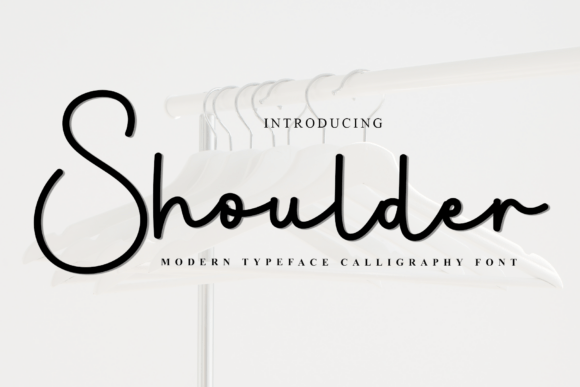
Evaluating Shoulder: A Font for Distinctive and Versatile Design
In the vast landscape of digital typography, selecting the right font is a foundational decision that influences the tone, readability, and overall impact of a project. Shoulder is a typeface that presents itself as a solution for designers seeking a blend of softness, uniqueness, and practical versatility. This article provides a balanced evaluation of the Shoulder font, exploring its characteristics, ideal applications, and considerations to help you determine if it aligns with your creative objectives.
Understanding the Character of Shoulder
Shoulder is best described as a contemporary font with a distinctly soft and organic aesthetic. Its design features gentle, rounded strokes and a unique character that avoids the rigidity of many standard sans-serifs. This gives it a warm, approachable, and slightly artistic personality. The font family includes a variety of characters and weights, offering flexibility for different typographic needs within a cohesive visual language.
A key aspect of its design philosophy is versatility. Shoulder is engineered to be compatible across various platforms, including Windows and open-source operating systems, and works well in numerous design applications. This cross-platform reliability is a practical consideration for workflows that involve collaboration or final output across different environments.
Reasons for Considering Shoulder
Designers and creators might be drawn to Shoulder for several specific reasons. Its primary appeal lies in its ability to add a subtle yet distinctive character to work. Unlike overly decorative display fonts, Shoulder maintains a level of neutrality that allows it to be used in longer text blocks while still imparting a unique feel. This makes it suitable for projects where personality is desired without sacrificing readability.
The font's soft, natural style can evoke feelings of approachability, creativity, and modernity. It is often considered for brands or projects aiming to communicate warmth, innovation, or a human-centric ethos. Its versatility means it can be applied to a wide range of products, from digital interfaces and websites to printed materials like packaging, posters, and editorial layouts.
Benefits and Practical Applications
The benefits of using Shoulder are most apparent in specific contexts. Its clean yet distinctive letterforms can enhance visual hierarchy and make designs more appealing to audiences in creative fields. The font's balanced proportions contribute to good readability in both print and digital mediums, provided the size and spacing are appropriately managed.
Shoulder is a strong fit for:
- Brand Identity Systems: For companies seeking a friendly, modern, and slightly unconventional voice in their logo, headlines, and marketing collateral.
- Editorial and Publishing Design: As a heading or pull-quote font in magazines, books, or blogs where a touch of stylistic flair is needed.
- Web and UI Design: For headings, buttons, and key interface elements where a softer aesthetic can improve user experience, particularly in lifestyle, wellness, or creative industry contexts.
- Craft and Packaging: Its unique strokes can add a handcrafted or artisanal quality to product labels, stationery, and decorative items.
Tradeoffs and Considerations
No font is universally ideal, and Shoulder has its own set of tradeoffs. Its distinctive character, while a strength, can become a limitation in contexts demanding extreme neutrality or formality. For legal documents, highly technical manuals, or traditional corporate communications, its softness might be perceived as too casual or stylistic.
Another consideration is its performance in very small sizes or low-resolution screens. While generally legible, the subtle nuances in its strokes may become less clear, requiring careful testing for body text in user interface design or small print. It is always advisable to test the font at the intended size and medium before finalizing a design.
When evaluating Shoulder, consider these questions:
- Does the project's tone align with a soft, unique, and modern aesthetic?
- Is the primary need for a display/headline font, or for extended body text?
- Have you tested it with your specific content, including numbers and special characters, to ensure it performs as expected?
Situations Where Alternatives May Be Warranted
While Shoulder is versatile, exploring alternatives is a prudent part of the design process. If the primary goal is to achieve a highly formal, rigid, or technical appearance, a geometric or grotesque sans-serif like Helvetica, Arial, or Roboto might be more appropriate. For projects requiring extreme minimalism or a very neutral backdrop, a font with less inherent character could be preferable.
Similarly, if the design calls for a strong handwritten or script-like personality, a more explicitly calligraphic or handwritten font would better serve that purpose. The decision should hinge on the specific emotional and functional requirements of the project.
Making a Practical Decision
To determine if Shoulder is the right choice, adopt a practical, goal-oriented approach. Begin by clearly defining the project's objectives, audience, and desired emotional impact. Create a mood board or style guide to see if Shoulder's characteristics visually align with other elements like color palettes and imagery.
Conduct a thorough test by applying the font to key pieces of your actual content. Evaluate its legibility, spacing, and overall harmony within the design. Compare it side-by-side with one or two alternative fonts to make a more informed judgment. Consider the long-term use: will this font scale with the project's needs across different formats and future iterations?
Ultimately, Shoulder is a tool designed to fill a specific niche in the typographic toolkit. It excels at adding a soft, unique, and contemporary touch while maintaining functional versatility. Its value is realized when its personality aligns with the project's narrative and when its technical performance meets the practical demands of the medium. By evaluating it against these concrete criteria, you can make a confident, informed decision about its role in your creative work.