Eitne: A Decorative Display Font for High-Impact Visual Branding
In a landscape saturated with clean sans-serifs and predictable serifs, finding a typeface with genuine character can feel like a search for a rare gem. For designers and creators tasked with making an immediate visual statement, the choice of font is foundational. This is where Eitne enters the conversation. It is not a workhorse for body text or a subtle complement to other design elements. Instead, Eitne positions itself as a dedicated tool for creating powerful, artistic focal points, offering a distinct personality for projects that demand to be noticed.
Core Characteristics and Design Philosophy
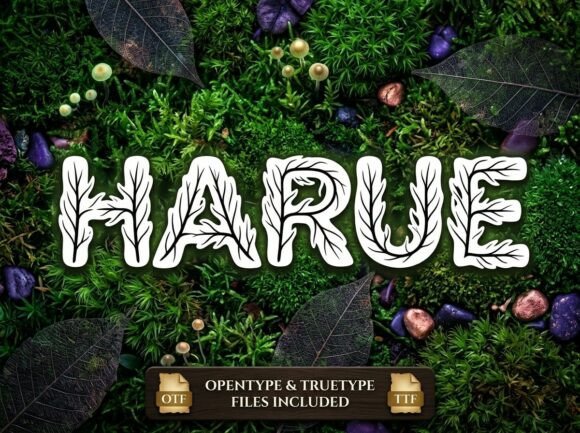
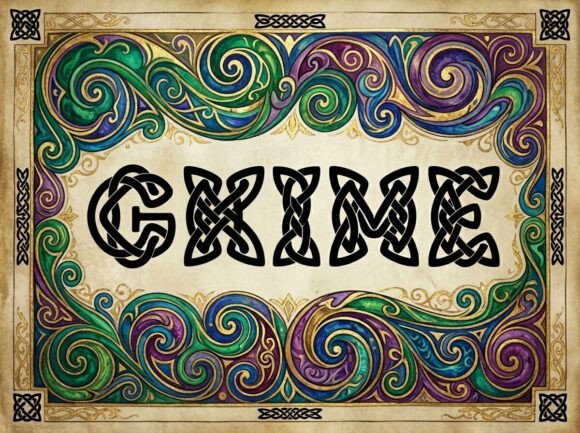
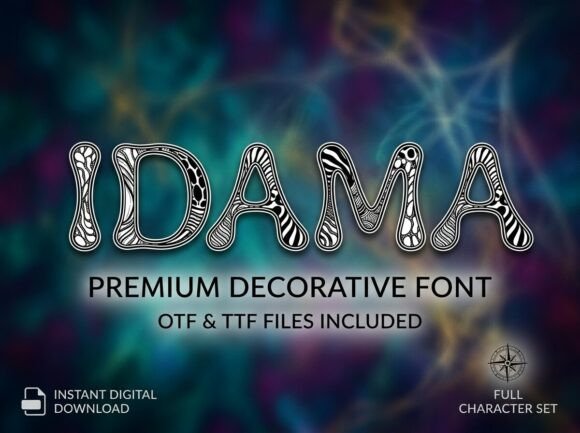
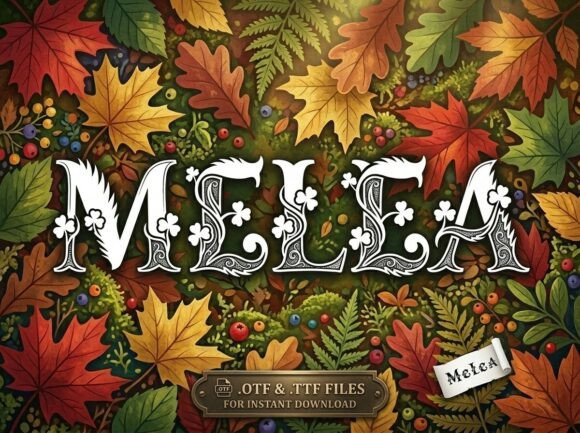
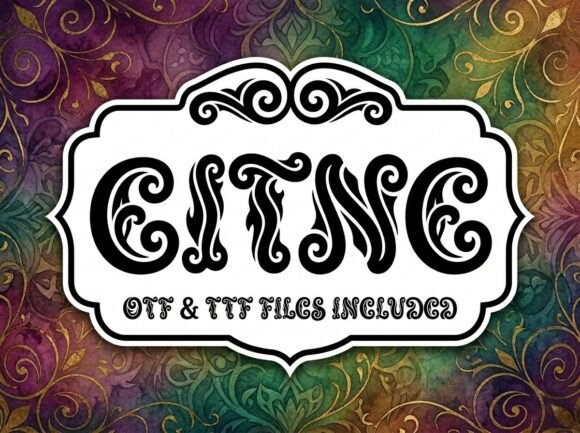
Eitne is fundamentally a decorative display typeface. This classification is key to understanding its purpose. Display fonts are engineered for visual impact at larger sizes, typically for headlines, logos, and signage, rather than for extended reading. Eitne embraces this role fully. Its letterforms feature unique artistic elements—perhaps unexpected curves, stylized terminals, or deliberate weight contrasts—that give it a strong, memorable visual personality. The design appears to prioritize aesthetic expression and uniqueness over neutral readability, which is a valid and often necessary approach in creative and branding contexts.
A critical operational detail is that Eitne is an all-caps font. It includes only uppercase letters, with no lowercase glyphs. This is a deliberate design constraint that aligns perfectly with its intended use case. For high-impact headlines, bold logos, monograms, and decorative initials, the consistent height and weight of all-caps lettering can create a powerful, unified visual block. It forces a certain typographic authority and presence. However, this also means Eitne is unsuitable for any project requiring sentence case, body copy, or nuanced typographic hierarchy beyond a single impactful line.
Practical Application and Real-World Performance
When considering a font like Eitne, practical evaluation is essential. Its strength lies in specific, high-stakes applications. Imagine a luxury brand's hero section on a website, where a single word or short phrase needs to embody elegance and exclusivity. Eitne's distinctive character could deliver that effect with precision. Similarly, for event posters, book covers, or social media graphics where the title must capture attention instantly, its artistic flair provides a ready-made solution.
The font's versatility is thoughtfully bounded. It is described as suitable for bold headlines, artistic logos, and creative packaging. In these scenarios, its performance would likely be strong, offering a consistent and polished finish that elevates the design. For a small business owner crafting a brand identity, using Eitne for the primary logotype could establish a memorable visual anchor. A freelance designer could employ it for a client's podcast cover art or album artwork to convey a specific mood—be it futuristic, elegant, or avant-garde—through typography alone.
However, its limitations are equally important to note. Using Eitne for navigation menus, button text, or any UI element requiring quick scanning would be inadvisable. Its decorative nature, while beautiful, can hinder legibility at small sizes or in dense informational layouts. The all-caps format also eliminates the possibility of using mixed case for softer emphasis or visual flow. Therefore, integrating Eitne into a design system requires careful pairing with a highly legible, neutral font for supporting text and functional elements.
Evaluating Quality, Usability, and Value
From a technical and usability standpoint, the package appears comprehensive. Providing both OTF (OpenType Font) and TTF (TrueType Font) files is a standard and professional practice. The OTF format is preferred for advanced typographic features and layout control in professional software like Adobe Creative Suite, while the TTF ensures broad compatibility across different operating systems and applications. This dual-file offering suggests an understanding of professional workflows and a commitment to reliability.
The long-term value of a display font like Eitne depends on its design quality and timelessness. While trends in decorative typography can shift, a well-crafted font with strong fundamental design principles can remain relevant for years. Its value is unlocked when used consistently within a brand's visual language for key touchpoints. A creator who invests in Eitne might use it for their primary brand headline across their website, business cards, and social media banners, creating a cohesive and recognizable identity. For such focused use, the one-time purchase can offer significant return on investment through enhanced brand perception.
Ideal Audience and Project Fit
Eitne is not for every project, but for the right one, it can be transformative. It is best suited for:
- Brand Identity Designers: Creating logos and visual systems for brands that want to project confidence, artistry, or modernity.
- Marketing Professionals and Entrepreneurs: Developing attention-grabbing headlines for advertising campaigns, product launches, or high-end marketing collateral.
- Publishers and Bloggers: Designing impactful titles for book covers, magazine spreads, or featured blog posts where the header is a central design element.
- Event Planners and Creatives: Crafting invitations, posters, and signage for events that require a distinct thematic or artistic tone.
- Packaging Designers: Developing product names and brand marks on packaging that needs to stand out on a shelf or in a digital store.
The most successful users will be those who view Eitne not as a general-purpose typeface, but as a specialized instrument. It is a tool for making a statement. The decision to use it should be driven by a clear creative brief that calls for a bold, decorative, and uppercase-only visual element. When that need exists, Eitne presents itself as a compelling candidate, offering a blend of artistic flair and professional execution that can help transform a standard design into something memorable. Its effectiveness ultimately hinges on the creator's ability to deploy it judiciously, within a well-considered design context where its unique strengths can shine without compromising overall clarity and function.