Grime: The Bold Font Choice for High-Impact Visual Identity
In a digital landscape saturated with content, the first impression is no longer just a glance—it's a split-second judgment. For designers, marketers, and brand builders, typography has evolved from a mere vessel for text into a primary actor in storytelling. The choice of typeface can convey rebellion, elegance, futurism, or tradition before a single word is read. Amid this shift, display fonts that prioritize personality and presence are gaining significant traction. Enter Grime, a decorative display typeface engineered not to blend in, but to command the spotlight.
Beyond the Ordinary: What Defines a Display Typeface Like Grime?
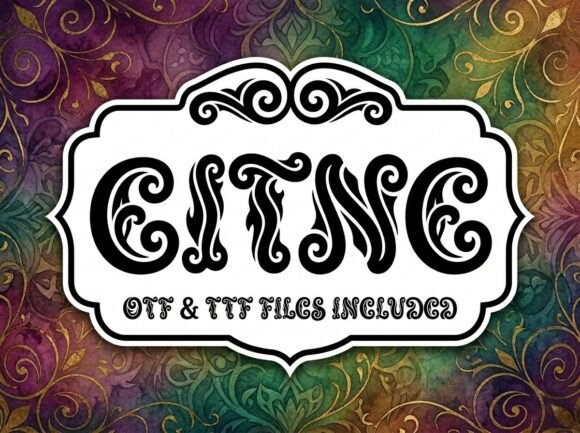
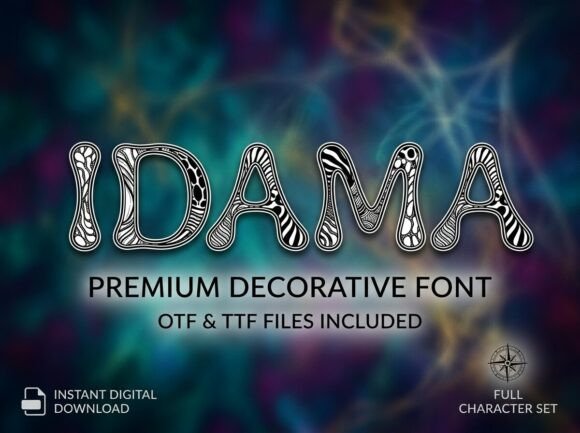
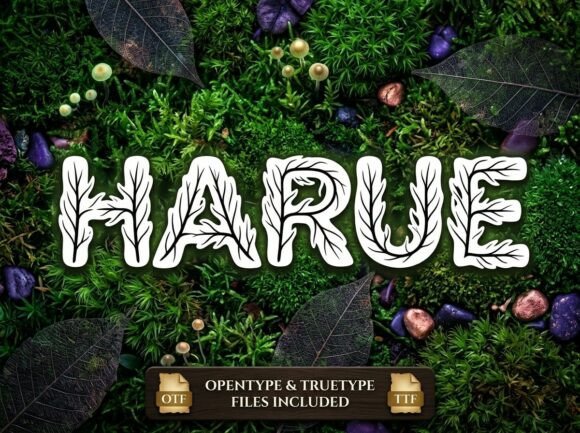
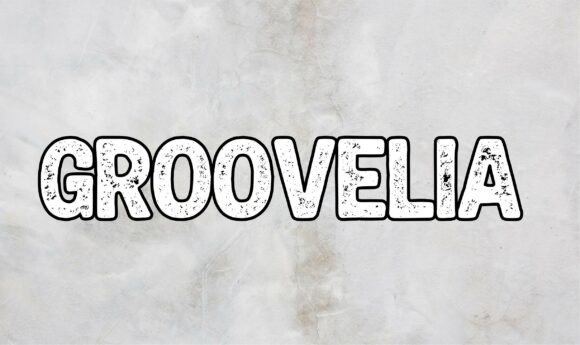
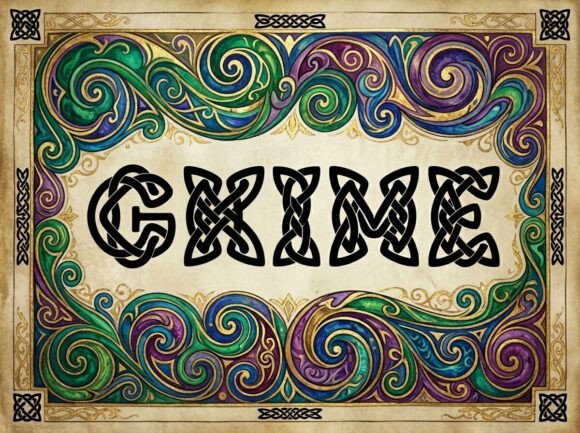
Display typefaces occupy a specific niche in the typographic world. Unlike body text fonts designed for long-form readability at small sizes, display fonts are crafted for large-scale applications: headlines, logos, posters, and packaging. Grime exemplifies this category with a distinct artistic edge. Its characters feature unique stylistic elements—perhaps unconventional strokes, geometric flourishes, or textured details—that give each letter a sculptural quality. This isn't a font for writing emails or setting a novel; it's a visual tool designed to make a statement.
The relevance of such fonts today ties directly to the demand for brand distinctiveness. As businesses and creators compete for attention across social media, websites, and physical products, generic typography can render a brand invisible. A font like Grime offers a solution by providing an instant visual signature. Its strong personality helps establish a mood—be it edgy, avant-garde, or luxuriously bold—creating a cohesive identity that resonates with target audiences seeking authenticity and impact.
The Evolution of Visual Communication and the Role of Typography
Typography's role has expanded dramatically with the proliferation of digital media. In the early web era, designers were limited to a handful of "web-safe" fonts, often sacrificing creativity for compatibility. Today, the environment is radically different. High-resolution screens, advanced rendering engines, and widespread font licensing have unleashed a new typographic renaissance. Creators now expect a vast library of expressive tools to match their vision.
This evolution is also a response to changing user expectations. Audiences are visually literate; they recognize and respond to nuanced design choices. A carefully selected display font can signal a brand's alignment with current cultural or aesthetic trends—whether that's retro-futurism, brutalist design, or organic artistry. Grime fits into this landscape by offering a contemporary yet timeless artistic flair. Its design likely draws from various influences, synthesizing them into something that feels fresh without being fleeting. This balance is crucial for brands that want to appear current but not dated within a year.
Practical Applications in Modern Workflows
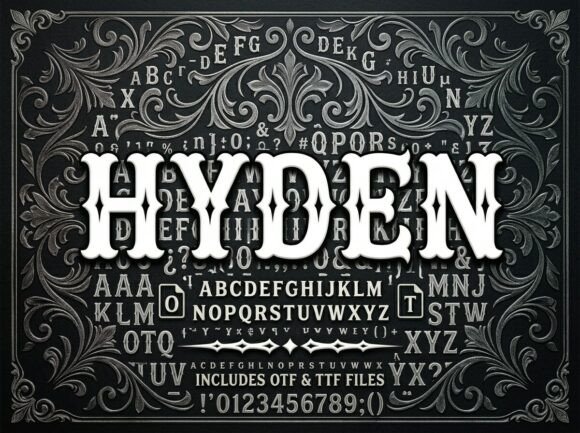
For professionals integrating a font like Grime into their workflow, understanding its intended use is key. The fact that it is an all-caps, uppercase-only typeface is a critical specification. This design choice amplifies its impact; every letterform is treated as a standalone visual unit, optimized for maximum effect. It is not suited for body text or situations requiring sentence case. Instead, its strengths are deployed in specific, high-stakes scenarios.
- Logo and Brand Mark Design: Using Grime for a brand's primary wordmark or monogram can instantly establish a powerful visual identity. Each letter's unique character contributes to a memorable logo that works across scales, from a website favicon to a billboard.
- Headlines and Hero Sections: On websites, in presentations, or in print ads, a headline set in Grime can arrest scrolling and draw the eye. It sets the tone for the content that follows, whether it's a product launch, a keynote title, or a magazine cover.
- Creative Packaging and Merchandise: In physical products, typography is tactile. Grime's strong visual personality can make packaging stand out on a shelf, transforming a product into an artifact. It's equally effective for apparel, posters, and limited-edition prints where the design itself is a value proposition.
- Decorative Initials and Pull Quotes: Even within longer-form content, using Grime for a large drop cap or a highlighted quote can break visual monotony and add a layer of design sophistication.
Technical Considerations: OTF and TTF Files
When acquiring a professional font like Grime, you typically receive multiple file formats to ensure compatibility across different software and use cases. The provided OTF (OpenType Font) and TTF (TrueType Font) files cover this spectrum.
The OTF file is the professional standard for advanced design software like Adobe Creative Suite, Affinity Designer, or CorelDRAW. It supports sophisticated typographic features such as ligatures, stylistic alternates, and extended character sets, allowing designers finer control over the typeface's appearance. For complex projects where typographic nuance matters, OTF is the preferred format.
The TTF file ensures universal compatibility. It works reliably across all major operating systems (Windows, macOS, Linux) and a wide array of applications, from word processors to basic graphic design tools. If a project requires the font to be embedded in a document for widespread distribution or used in software that has limited font support, the TTF version is essential.
Making an Informed Decision: Strategic Typography
Choosing a font like Grime is a strategic decision. It's not merely about aesthetics; it's about aligning typography with communication goals and audience perception. Before integrating it into a project, consider the following:
- Audience Alignment: Does the font's personality—its "grime" and artistic boldness—resonate with your target demographic? It may appeal strongly to markets valuing creativity, individuality, and urban edge, but might be less suitable for conservative corporate contexts.
- Context of Use: Remember its all-caps limitation. Plan your copy accordingly. Will your headlines and key phrases work effectively in uppercase? Sometimes, a slight rewording can enhance the impact.
- Pairing with Other Fonts: A display font like Grime rarely works alone. It needs a complementary typeface for body text, subheadings, or supporting information. Pair it with a clean, neutral sans-serif or a subtle serif to create hierarchy and ensure overall readability.
- Longevity vs. Trend: While Grime is designed to be impactful, assess whether its style aligns with your brand's long-term vision. A font that feels intensely "of the moment" might require a brand refresh sooner than one with more timeless characteristics.
In essence, Grime is more than just a set of letters; it's a design asset for creators who refuse to settle for the ordinary. It represents a deliberate choice to prioritize visual impact and artistic expression. In a world where attention is the ultimate currency, deploying typography that is unapologetically bold and meticulously crafted is not just a stylistic preference—it's a practical strategy for standing out, making a connection, and leaving a lasting impression. For the designer, entrepreneur, or brand builder looking to inject a dose of powerful visual personality into their work, it offers a compelling and professionally crafted tool to do just that.