Embrace the Edge: Why Rotten Arch is the Font for Unapologetic Design
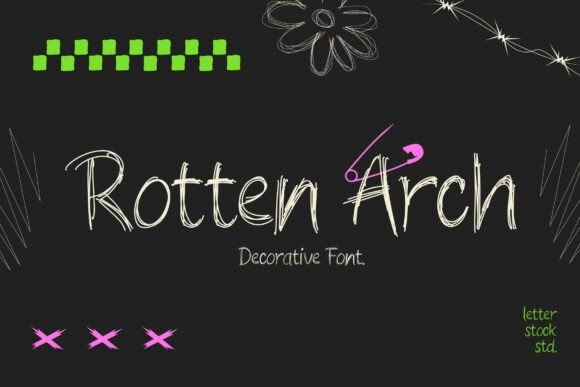
In a world saturated with sleek sans-serifs and perfectly kerned serifs, there’s a growing hunger for something real, something that feels alive and a little bit dangerous. For designers and creatives who want to scream rather than whisper, to scratch the surface rather than polish it, the answer lies in embracing imperfection. Rotten Arch isn’t just a typeface; it is a visual rebellion, a raw, chaotic sketch font that channels the energy of underground punk zines, gritty street art, and the beautiful mess of a creative mind at work. It is a direct response to the sterile, corporate aesthetic that dominates much of modern branding, offering a powerful tool for those who want their work to have a heartbeat, a pulse, and a defiant attitude.
Deconstructing the Aesthetic: More Than Just Messy Lines
At first glance, the design of Rotten Arch might seem random, but there is a deliberate and powerful methodology behind its chaos. This is not a font that was simply auto-traced from a sloppy scan; every scribbled line and distorted form was crafted to communicate a specific feeling. The aesthetic is heavily influenced by the DIY spirit of punk culture, where photocopied flyers and hand-drawn album art were the primary means of communication. This style, often called grunge typography, intentionally rejects the clean vector paths of digital design. Rotten Arch embraces this philosophy, featuring irregular baselines, inconsistent stroke weights, and a texture that looks like it was scratched onto the page with a heavy hand and a permanent marker.
The visual texture of Rotten Arch creates an immediate sense of depth and tactility. Unlike clean fonts that sit flat on a digital canvas, this typeface looks like it exists in a physical space. You can almost feel the grain of the paper or the spray paint on a brick wall. This quality makes it an invaluable asset for projects that need to convey authenticity and raw creative energy. It speaks to a generation that values the handmade over the machine-made, and the expressive over the technically perfect. When you use Rotten Arch, you are not just choosing a font; you are making a statement that your design is bold, experimental, and unapologetically expressive.
Where Chaos Meets Commerce: Practical Applications
While Rotten Arch is steeped in underground aesthetics, its utility extends far beyond niche subcultures. In today’s market, authenticity is a premium commodity. Major brands are constantly looking for ways to appear more relatable and less corporate, and typography is one of the most effective ways to achieve this. Here is where a font like Rotten Arch proves its versatility.
Music and Entertainment
The most natural home for Rotten Arch is in the music industry, particularly within genres that pride themselves on counter-culture roots. It is the perfect choice for album covers, band merchandise, and promotional posters for rock, metal, punk, and even experimental electronic music. The chaotic sketch style mimics the energy of a live performance—loud, visceral, and unforgettable. Imagine a limited edition vinyl sleeve featuring Rotten Arch layered over a grainy, high-contrast photo; the result is an instant collector’s item that screams authenticity.
Streetwear and Fashion
Streetwear has always borrowed heavily from the rebellious spirit of youth culture. For clothing brands looking to establish a gritty, urban identity, Rotten Arch offers the perfect typographic voice. It works exceptionally well on t-shirts, hoodies, and tote bags where the texture of the print can interact with the fabric. The rough edges of the font complement distressed denim and washed-out cotton, creating a cohesive look that feels grounded in street-style graphics and rebellious branding.
Editorial and Digital Media
Even in the polished world of digital media, there is room for disruption. Experimental layouts for magazines, zines, and underground publications can utilize Rotten Arch to break the monotony of standard body text. In the realm of social media, where grabbing attention in a fraction of a second is crucial, the bold visual attitude of this font can stop a user from scrolling. It is particularly effective for edgy social media graphics, headers for blog posts about counter-culture topics, or abstract design compositions that challenge the viewer’s perception.
Designing with Disorder: Tips for Using Rotten Arch
Working with a highly stylized font like Rotten Arch requires a different approach than working with standard typefaces. Because the font carries so much visual weight and texture, it demands to be the center of attention. One of the most common mistakes designers make is pairing a chaotic display font with other busy elements, resulting in visual noise rather than a cohesive design.
- Let it Breathe: Because the strokes of Rotten Arch are heavy and irregular, it needs ample white space around it. Crowding the text will make the design feel claustrophobic and illegible. Use it for headlines or pull quotes where it can stand alone.
- Contrast is Key: To make the rebellious nature of the font pop, pair it with something clean and neutral. A simple sans-serif or a monospaced typewriter font can provide a striking contrast that grounds the layout while letting the Rotten Arch headline scream.
- Play with Scale: This font has a massive presence when scaled up. Don’t be afraid to crop into the letters or let them bleed off the edge of the canvas. This creates a dynamic, immersive feel that enhances the "underground" vibe.
Another practical consideration is the background. Rotten Arch thrives on texture. Placing it over a stark white background can sometimes feel too clinical. Instead, try overlaying it on grunge textures, concrete walls, or paper grain. This reinforces the handmade quality of the font and helps integrate the typography into the overall composition. Whether you are designing for screen or print, the goal is to make the text feel like it belongs to the environment it is placed in.
The Technical Backbone: Versatility in File Formats
While the aesthetic of Rotten Arch is loose and free, the technical execution is precise and professional. A common concern with decorative fonts is compatibility and performance. However, Rotten Arch is built to integrate seamlessly into modern workflows. The download package includes the essential file types: OTF, TTF, and WOFF.
The inclusion of OTF (OpenType) and TTF (TrueType) files ensures that the font works flawlessly across all major desktop design software, including the Adobe Creative Suite (Photoshop, Illustrator, InDesign) and Affinity Designer. For web designers and social media managers, the WOFF (Web Open Font Format) file allows you to upload the font to web servers, ensuring that your rebellious branding is consistent across your website and digital campaigns. This versatility means you aren’t limited to static images; you can bring the chaotic energy of Rotten Arch to interactive web experiences and animations.
Breaking the Rules with Purpose
Ultimately, typography is a tool for communication, and the message of Rotten Arch is clear: it is about attitude, freedom, and creative chaos. In an era where algorithms often dictate trends and templates stifle originality, using a font like this is an act of defiance. It allows creatives to inject personality back into their work, to move away from the "safe" choices, and to connect with audiences on a visceral, emotional level.
Choosing Rotten Arch means accepting that perfection is overrated. It means celebrating the beauty in the broken, the distorted, and the raw. For the designer looking to create something that feels alive—something that grabs the viewer by the collar and demands to be seen—this font is the ultimate weapon. Let your design break the rules. Let it be loud. Let it be Rotten Arch.