Evaluating Brant: A Deep Dive into an Artistic Display Typeface
In the vast landscape of digital typography, finding a font that strikes the right balance between artistic flair and functional readability can be a challenge. Brant emerges as a compelling option for designers and creators seeking a typeface that doesn't just convey words but makes a statement. This decorative display font is engineered to be the centerpiece of a design, featuring unique artistic elements and a strong visual personality. It is crafted for those who aim to break away from the ordinary and infuse their projects with a distinctive character.
Understanding Brant's Core Design and Personality
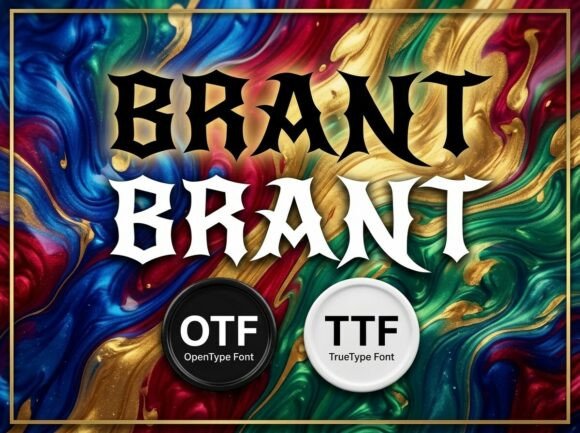
Brant is fundamentally a decorative display typeface. This classification is crucial for understanding its intended use. Unlike body text fonts designed for long-form reading, display fonts like Brant are optimized for short, high-impact text elements such as headlines, logos, and packaging titles. Its design philosophy prioritizes visual impact and artistic expression over extended legibility. The letterforms are likely characterized by unique curves, weights, or stylistic flourishes that give each glyph a standalone artistic quality, ensuring that even a single word becomes a focal point.
A defining characteristic of Brant is its all-caps, uppercase-only design. This is not a limitation but a deliberate stylistic choice. By excluding lowercase letters, the font maintains a consistent and powerful visual rhythm. Every letter is treated as a monumental element, reinforcing its role in creating bold headlines and decorative initials. This approach ensures a uniform height and weight across the character set, which can contribute to a cleaner, more authoritative appearance in logos and titling where every character needs to command attention.
Practical Applications: Where Brant Excels
The utility of a typeface like Brant lies in its specific strengths. It is not a one-size-fits-all solution, but for the right project, it can be transformative. Consider its application in the following areas:
- Brand Identity and Logos: A logo must be memorable and encapsulate a brand's essence. Brant's artistic personality can help a logo stand out in a crowded marketplace. Its unique forms can communicate creativity, boldness, or sophistication, depending on the specific design context. The all-caps format contributes to a sense of stability and strength.
- Editorial and Packaging Design: On a magazine cover or product packaging, the headline does the heavy lifting. Brant can grab a viewer's attention instantly. Its decorative nature adds a layer of premium or artisanal quality, which is particularly effective for luxury goods, boutique products, or creative publications.
- Web and Social Media Graphics: In digital spaces where scroll-stopping power is paramount, a bold, distinctive font for key headers or promotional graphics can significantly increase engagement. Brant's visual personality is well-suited for hero sections, banner ads, and social media posts that need to make an immediate impact.
The professional file formats provided—OTF and TTF—ensure broad compatibility. The OTF (OpenType Font) file is the modern standard for advanced layout software, often containing additional features and superior typographic control. The TTF (TrueType Font) guarantees universal compatibility across operating systems and basic design tools, making Brant accessible for a wide range of users and workflows.
Weighing Tradeoffs: When to Choose (or Avoid) a Font Like Brant
Every design choice involves tradeoffs. Brant's greatest strengths are intrinsically linked to its limitations. Understanding this balance is key to making an informed decision.
Strengths and Ideal Scenarios
Choose Brant when your primary goal is visual distinction and emotional resonance. It is the right choice for projects where typography is a central design element rather than merely a functional tool for conveying information. If the brief calls for a "bold," "artistic," "unique," or "eye-catching" headline, Brant is a strong candidate. Its polished finish means it avoids looking amateurish, offering a professional yet creative solution.
Limitations and Alternative Considerations
The all-caps design, while powerful, limits flexibility in text hierarchy. You cannot use a lowercase variation for subheadlines or body text within the same typographic system using this font alone. For projects requiring a full family with multiple weights (light, regular, bold) and styles (italic), Brant would need to be paired with a more versatile sans-serif or serif companion font for supporting text.
Furthermore, its decorative nature means it is not suited for body copy, legal disclaimers, or any long-form reading. Attempting to do so would result in poor readability and user fatigue. In contexts where clarity and speed of reading are paramount—such as technical documentation, lengthy articles, or user interface elements—a clean, neutral sans-serif would be a more appropriate and responsible choice.
Making an Informed Decision: Questions to Ask
Before integrating Brant into your workflow, consider these practical questions:
- What is the primary function of the text? Is it to attract attention and define a mood (display), or to be read extensively (body)?
- Does my project require a full typographic system? If you need headlines, subheads, and body text all from the same font family for consistency, Brant will likely serve as an accent rather than the core system.
- Who is the audience, and what is the context? A playful, artistic font may resonate with a creative audience but could feel out of place in a corporate financial report. Ensure the font's personality aligns with the brand's voice and the audience's expectations.
- Have I tested it in situ? Always preview a font with your actual content. The interplay between specific letter combinations and the overall composition is critical. A font that looks stunning in a specimen sheet must also work harmoniously within your unique layout.
In conclusion, Brant is a specialized tool designed for specific, high-impact scenarios. It is not a replacement for workhorse text fonts but rather a valuable asset for designers aiming to inject artistry and bold presence into their headline and logo work. Its value is realized not in universal application, but in strategic deployment where its unique character can shine, transform a design, and fulfill the creative brief of breaking away from the ordinary. For creators who understand the power of a typographic statement, Brant presents a compelling and professionally executed option worthy of consideration.