Baron: A Deep Dive into an Avant-Garde Display Typeface
In the vast digital landscape, typography is the silent ambassador of a brand's voice. While thousands of fonts exist for body text and simple utility, there is a distinct category reserved for those that demand attention. Baron is one such typeface. It is not merely a collection of letters; it is a statement piece, engineered to be the focal point of any visual composition. For graphic designers, brand strategists, and creative directors seeking a font with a commanding visual personality, Baron offers a unique blend of artistic flair and high-end polish.
Understanding the "Display" Classification
Before diving into the specific nuances of Baron, it is essential to understand its classification. In the world of typography, fonts generally fall into two broad categories: text fonts and display fonts. Text fonts, such as Garamond or Helvetica, are designed for readability in long-form content like books or web paragraphs. They are unassuming and functional.
Display fonts, however, are the opposite. They are designed for impact. Baron falls strictly into this avant-garde category. It is engineered to be used at larger sizes—typically for headlines, logos, and posters—where its intricate details can be fully appreciated. Using Baron for a 12-point paragraph would be impractical and illegible; using it for a 72-point headline creates an immediate visual anchor that draws the viewer in.
The Philosophy Behind the Design
The design philosophy of Baron centers on "refusing to blend in." Many modern typefaces prioritize neutrality, aiming to be invisible vessels for information. Baron takes a contrarian approach. It possesses a strong, artistic soul characterized by unique flourishes and a commanding presence. However, despite its experimental nature, it maintains a high-end, polished finish. This balance is difficult to achieve; many decorative fonts look messy or unprofessional. Baron manages to look avant-garde while still retaining the sophistication required for luxury branding.
Key Features and Characteristics
When evaluating a typeface, professionals look beyond just the "vibe." They examine the technical and aesthetic features that make the font functional for real-world projects. Here is a breakdown of what makes Baron distinctive:
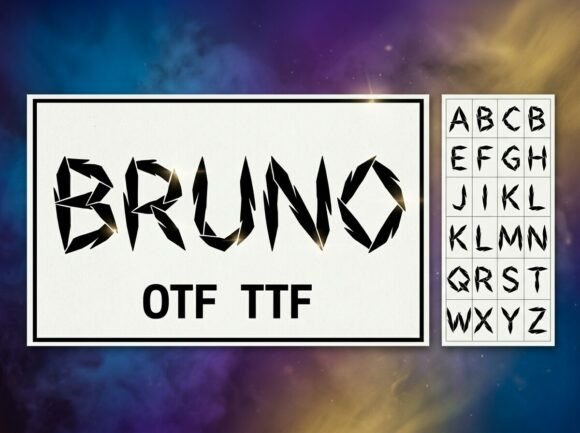
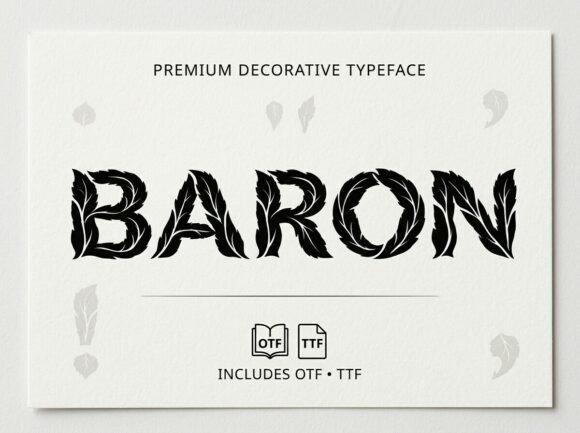
- The All-Caps Aesthetic: Perhaps the most defining feature of Baron is that it is an uppercase-only typeface. It omits lowercase characters entirely. This is a deliberate design choice. By removing the lowercase, the designer focused entirely on the intricate craftsmanship of every individual letter. In Baron, every letter acts as a standalone work of art.
- Visual Personality: The letterforms are bold and often feature geometric or abstract cuts. This gives the font a "sculptural" quality. It feels three-dimensional and tangible, rather than flat and digital.
- Polished Finish: Unlike many grunge or experimental fonts that rely on texture or distortion, Baron is clean. Its edges are crisp, and its curves are precise. This makes it suitable for high-resolution printing and digital Retina displays where pixel-perfection is required.
Practical Applications: Where to Use Baron
The versatility of a display font lies in how well it adapts to different mediums. Because Baron balances artistic expression with a polished finish, it bridges the gap between experimental art and commercial design. Below are several scenarios where Baron can elevate a project from ordinary to extraordinary.
1. Brand Identity and Logo Design
A logo is often the first interaction a customer has with a brand. It needs to be memorable. For businesses in the fashion, luxury, or lifestyle sectors, Baron can serve as the foundation of a logotype. Its all-caps nature conveys authority and confidence. For example, a high-end streetwear brand or a modern architecture firm could use Baron to signal that they are cutting-edge yet established. The unique flourishes of the letters ensure that the logo is distinct and difficult to replicate, fostering brand recognition.
2. Editorial and Packaging Design
In the realm of magazine covers and product packaging, typography must compete with imagery. Baron is designed to stand shoulder-to-shoulder with high-resolution photography. Imagine a perfume box or a vinyl record sleeve: the text needs to feel like part of the art, not just a label slapped on top. Baron’s "artistic soul" allows it to integrate seamlessly into conceptual layouts. It can be used for mastheads, pull quotes, or product names where you want the text to evoke a specific emotion or mood.
3. Digital Media and Social Content
In the fast-scrolling environment of social media, grabbing attention in milliseconds is crucial. Baron excels in this environment. Its high-impact nature makes it perfect for Instagram graphics, YouTube thumbnails, and website hero sections. Because it is a display font, it scales well for large, bold statements. A business owner creating a sale announcement or a motivational quote graphic will find that Baron adds a level of professionalism and artistic depth that standard system fonts lack.
Evaluating Suitability: Is Baron Right for Your Project?
While Baron is a powerful tool, it is not a universal solution. As with any specialized instrument, understanding its limitations is just as important as understanding its strengths. Here is a guide to help you decide if Baron fits your specific needs.
The Strengths
The primary strength of Baron is its memorability. If you need a design element that people will remember, this font delivers. It is also highly versatile within the "display" category, working well for both digital and print applications thanks to its clean vector construction. Furthermore, its inclusion of both OTF (OpenType) and TTF (TrueType) formats ensures that it is compatible with virtually all professional design software (like Adobe Creative Suite) and operating systems.
The Considerations
The most significant consideration is the "All-Caps" limitation. You cannot use Baron for sentences that require grammatical distinction between proper nouns and regular words. It is best used for short, punchy phrases. Additionally, because it is a display typeface, it should never be used for body text. Trying to read a paragraph set in Baron would be exhausting for the reader due to the complex shapes of the letters.
Who Benefits Most?
Baron is best suited for:
- Creative Professionals: Graphic designers looking for a "hero" font to anchor their layouts.
- Brand Strategists: Those building identities for brands that want to appear modern, artistic, or luxurious.
- Content Creators: YouTubers, influencers, and podcasters who need strong visual branding for their thumbnails and merchandise.
Technical Integration and File Formats
For the technically minded user, understanding the files included with a font is vital for a smooth workflow. Baron is provided in two industry-standard formats:
- OTF (OpenType Font): This is the preferred format for professional designers. It supports advanced typographic features (such as ligatures or stylistic alternates, if included) and compresses data efficiently. If you are using software like Adobe Illustrator, Photoshop, or InDesign, the OTF file is the one you should install.
- TTF (TrueType Font): This is the legacy standard that ensures universal compatibility. If you are working on a Windows machine or need to ensure the font works in older software environments, the TTF format guarantees that the text will render correctly.
Conclusion
In a world saturated with content, standing out is no longer a luxury—it is a necessity. Baron offers a solution for those who are tired of generic typography. It is a typeface that commands respect and attention. Whether you are designing a logo for a new startup, laying out a magazine spread, or creating a social media campaign, Baron provides the tools to inject artistry and sophistication into your work. By understanding its all-caps nature and display-focused design, you can harness its power to create visuals that are not just seen, but remembered.