Calop: A Practical Guide to Integrating a Hypnotic Display Typeface into Your Creative Workflow
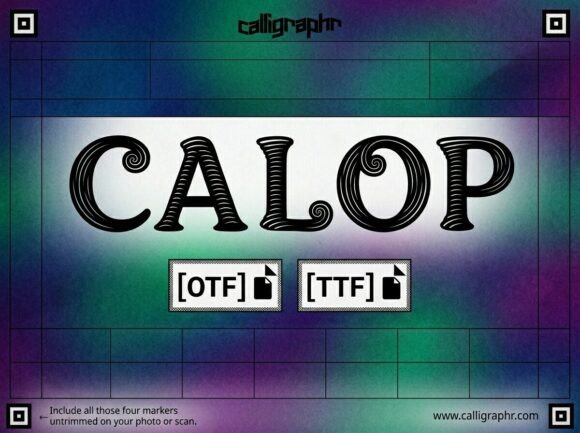
In the world of typography, display fonts are not merely letters; they are architectural elements that define the atmosphere of a design. Calop is a prime example of this philosophy. It is a hypnotic typeface characterized by massive, solid letterforms and a dense texture of rhythmic, hand-drawn horizontal engraving lines. This classical-and-curving soul is further enhanced by elegant spiraling flourishes integrated directly into the terminals of the characters. For professionals ranging from graphic designers to brand strategists, understanding how to deploy a heavy illustrative weight font like Calop is essential for creating high-impact visuals without compromising legibility or professional standards.
Understanding the Anatomy of Calop
Before integrating Calop into a project, it is necessary to understand its visual density. Unlike standard sans-serifs or clean serifs, Calop functions as a piece of illustration as much as a typographic element. The "engraving" effect—created by the horizontal lines cutting through the strokes—gives the font a vintage, tactile quality reminiscent of 19th-century banknotes or Victorian signage. This specific aesthetic dictates its usage: it is a headline font, not a body text solution. Recognizing this limitation early in the design process prevents wasted time trying to force a decorative element into a functional role.
The Psychology of the "Engraved" Aesthetic
The intricate line work within Calop communicates a sense of craftsmanship, tradition, and permanence. In a branding context, these attributes are powerful. When a consumer sees the spiraling flourishes and textured weight of Calop on a label or header, they subconsciously associate the product with artisanal quality and historical significance. This is why the font is particularly effective for artisanal spirits, mythological book titles, or independent vintage branding. It bypasses the need for excessive supporting imagery; the typography itself carries the narrative weight of the brand.
Strategic Planning: When to Introduce Calop in the Workflow
The decision to use a specialized typeface like Calop should happen during the conceptualization phase, not the final polishing stage. Because Calop has such a strong personality, it can dictate the direction of the entire layout.
- During the Mood Boarding Stage: Introduce Calop when establishing the visual language. If the project goal is to evoke a mystical, magisterial, or vintage atmosphere, Calop serves as the anchor. It helps set the color palette—often suggesting deep, rich colors or metallic foils to complement the engraving texture.
- Before Asset Selection: If you plan to use Calop for a social media header or a book cover, select your imagery based on the font's style. High-contrast photography or minimalist illustrations often work best to balance the font's density.
Using Calop effectively requires a "less is more" approach to surrounding design elements. Because the typeface is so detailed, surrounding it with equally busy patterns will result in visual noise. The workflow should prioritize negative space to allow the spiraling terminals to breathe.
Practical Implementation and Workflow Integration
Integrating a display font into a professional workflow involves technical execution and creative restraint. Here is how to manage Calop across different production environments.
1. Typography Pairing and Hierarchy
The most critical step in using Calop is selecting a secondary typeface. You need a contrast font that is clean, geometric, and lightweight to provide legibility for body copy.
- The Rule of Contrast: Pair Calop with a neutral sans-serif like Helvetica, Roboto, or a clean serif like Garamond. The goal is to create a clear hierarchy where Calop acts as the "shout" and the secondary font acts as the "voice."
- Kerning and Tracking: While Calop comes with standard spacing, display fonts often require manual kerning, especially when used at large sizes for logos or headers. Pay close attention to the interaction between the flourishes of adjacent letters to ensure they do not overlap awkwardly.
2. Color and Texture Application
Calop’s engraved texture interacts differently with color than solid fonts do.
- High Contrast Backgrounds: Use solid, matte backgrounds. Avoid placing Calop over complex gradients or photos with high mid-tone detail, as the horizontal lines of the font will clash with the image noise.
- Monochromatic Schemes: The engraving effect shines brightest in monochromatic or duotone color schemes. For example, a gold engraving effect on a navy background creates a luxury feel suitable for spirits labels.
3. File Management and Rendering
Because Calop is heavy on vector points due to its engraving details, rendering can sometimes be resource-intensive in complex vector files.
- Outlining Fonts: When sending files to print, always outline the font to preserve the intricate stroke details. However, keep a live-text version for future edits.
- Resolution Check: At very small sizes, the horizontal lines within the letters may blur together, turning the text into a solid gray block. Always test the font at the intended output size (e.g., checking a label mockup at actual print size) before finalizing the design.
Industry-Specific Use Cases
Understanding where Calop fits best helps streamline the creative process. Here are specific scenarios where Calop solves design problems effectively.
Independent Vintage Branding and Spirits Labels
For small business owners in the beverage industry, packaging is the primary marketing tool. Calop provides an instant "heritage" look without requiring expensive custom lettering. When designing a label, use Calop for the brand name and perhaps a sub-header like "Distilled" or "Reserve." The font’s heavy weight anchors the label, while the spiraling flourishes add the necessary shelf appeal.
Mystical and Magisterial Book Titles
Publishers and self-publishing authors often struggle to convey genre quickly. Calop is ideal for fantasy, mystery, or historical fiction. The "classical-and-curving soul" of the typeface signals to the reader that the content inside is serious, epic, or steeped in tradition. It works particularly well for hardcover spines and front covers where the title needs to be legible from a distance but stylistically distinct.
High-Impact Social Media Headers
In the fast-scrolling environment of social media, stopping power is vital. Calop’s massive, solid letterforms are designed to grab attention. For a course creator or a coach targeting a 20–50 demographic, using Calop for a "Masterclass" or "Launch" header can elevate the perceived value of the offer. It suggests that the content being sold is premium and well-crafted.
Long-Term Use and Consistency
For brands that adopt Calop, consistency is key to building recognition. Create a brand style guide that specifies exactly how Calop should be used:
- Usage Restrictions: Define that Calop is strictly for H1 headers, logos, or pull quotes. Explicitly forbid its use for body text or legal disclaimers.
- Scaling Rules: Set a minimum font size (e.g., 30pt) to ensure the engraving lines remain visible and crisp.
- Color Pairings: Document the specific hex codes that work best with the font’s texture.
By codifying these rules, you ensure that whether you are designing a website, a physical banner, or a social media post, the visual identity remains cohesive. This saves time in the revision process and strengthens the brand's visual footprint over time.
Conclusion
Calop is more than just a typeface; it is a strategic asset for designers and business owners aiming to convey authority, history, and artistic flair. By integrating it thoughtfully into the planning and execution phases of a project, you can leverage its hypnotic, engraved aesthetic to create designs that are not only beautiful but also functionally effective in communicating your brand's core message.