Understanding Decorative Display Fonts: A Guide to Impactful Typography
In the vast world of design, typography is the voice of the visual message. While body text fonts whisper the details, display fonts shout the headlines. Among these, a specific category stands out for its sheer artistic force: the decorative display font. This article explores what these fonts are, why they are crucial for impactful design, and how to use them effectively to capture attention and convey a unique brand personality.
What Exactly is a Decorative Display Font?
A decorative display font, often simply called a display typeface, is a category of type designed for large sizes and short bursts of text, such as headlines, logos, and titles. Unlike the workhorse serif or sans-serif fonts used for paragraphs, decorative fonts prioritize visual impact and personality over pure readability in long-form content. They are the typographic equivalent of a bold piece of art or a striking piece of jewelry—they are meant to be seen, admired, and to set a specific tone instantly.
Think of the vintage neon signs of old diners, the gritty, hand-drawn lettering on a music festival poster, or the elegant, flowing script on a luxury perfume bottle. These are all examples of decorative display fonts at work. Their primary purpose is to evoke an emotion, establish a brand's character, and create an unforgettable first impression. They are tools for visual storytelling where each letterform is crafted as a distinct graphic element.
The Core Characteristics: More Than Just Letters
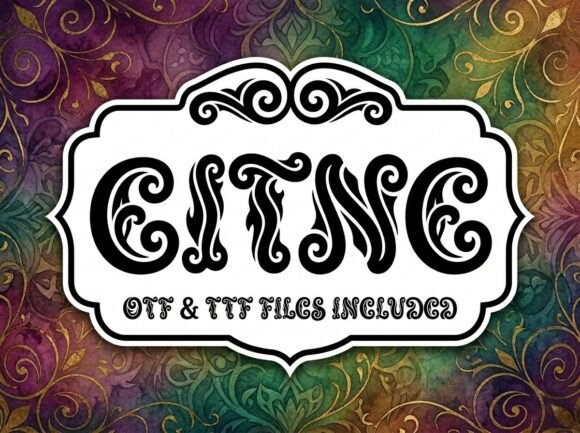
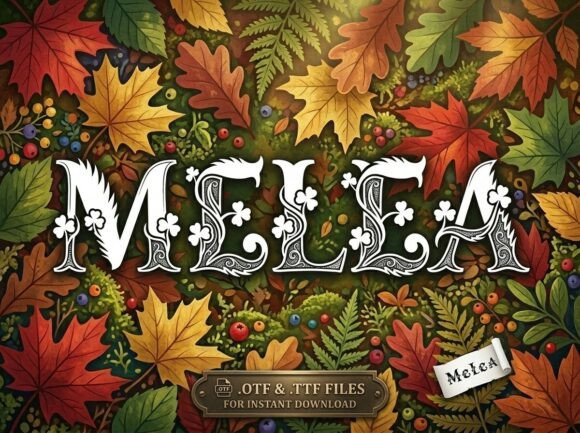
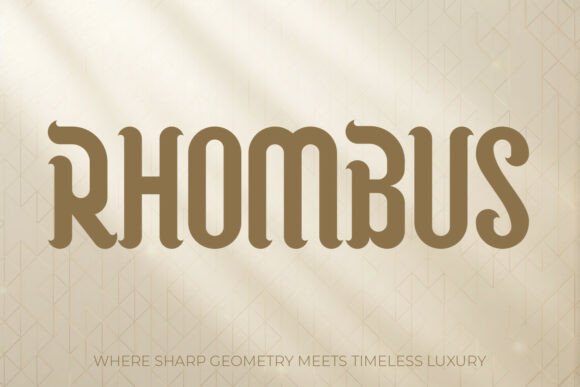
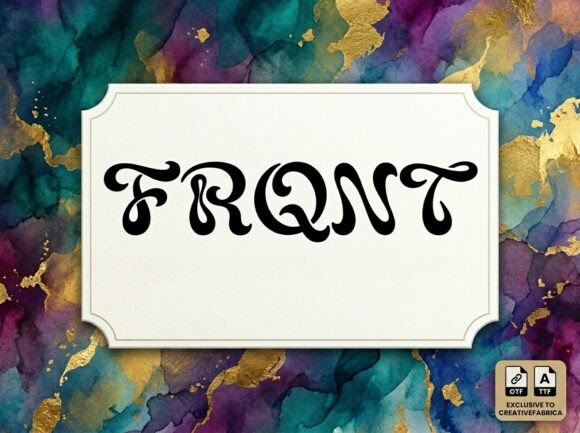
What sets a font like the one described—a stunning, all-caps decorative display typeface—apart? Several key characteristics define its function and appeal.
- Unique Artistic Elements: These fonts are not standardized. They feature custom swashes, unusual serifs, hand-drawn textures, geometric shapes, or other embellishments that make each letter a miniature work of art. This uniqueness is their greatest asset and their primary limitation.
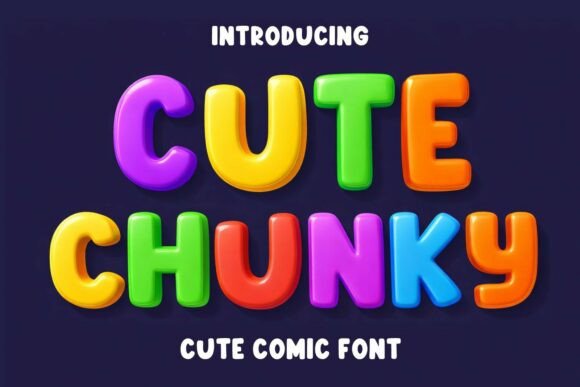
- Strong Visual Personality: A decorative font communicates a mood before a single word is read. A font with sharp, angular lines might convey edginess and modernity, while one with soft, rounded forms can feel friendly and approachable. The font in question, with its "stunning" and "artistic" elements, is engineered to project confidence and creativity.
- Optimized for Impact, Not Prolonged Reading: This is the most critical point to understand. Decorative display fonts are almost universally designed for uppercase-only use and are not intended for body text. Their complex details can become visually noisy and cause eye strain when set at small sizes or in long paragraphs. Their power is in their focused, high-impact application.
Practical Applications: Where Decorative Fonts Shine
Knowing the theory is one thing; applying it is where creativity thrives. Here are the primary domains where a versatile decorative display font proves its worth:
1. Bold Headlines and Titles
The most straightforward use. A magazine cover, a website hero section, or a social media graphic gains immense energy from a well-chosen display font. It acts as a visual anchor, drawing the reader's eye directly to the core message. For example, a blog post titled "The Future of Design" set in a standard font is informative. Set in a bold, artistic display typeface, it becomes an invitation to explore a creative vision.
2. Artistic Logos and Brand Marks
A logo is the cornerstone of brand identity. A custom or carefully selected decorative font can make a logo instantly recognizable and deeply expressive. It can encapsulate a brand's essence—whether it's artisanal, tech-forward, luxurious, or playful—in a single, cohesive wordmark. This is where the font's "professional and polished finish" is essential; it must look credible at any scale.
3. Creative Packaging and Product Design
On a crowded shelf, packaging has seconds to tell a story. A decorative font can transform a product label from mundane to must-have. It can communicate the product's heritage (e.g., a vintage-style font for a craft whiskey), its ingredients (e.g., a clean, geometric font for a modern supplement), or its intended audience. The font becomes an integral part of the product experience.
4. Event Invitations and Posters
For concerts, galas, weddings, or conferences, the invitation or poster sets the entire tone. Decorative fonts are perfect here, as they can match the event's theme perfectly—be it elegant, rustic, futuristic, or whimsical. They create anticipation and convey the event's level of formality and style.
Choosing and Using Decorative Fonts Wisely: Avoiding Common Pitfalls
With great power comes great responsibility. Misusing decorative fonts can lead to designs that are cluttered, illegible, or unprofessional. Here’s how to use them effectively:
- Pair with a Neutral Body Font: Never use a decorative font for extended text. Always pair it with a clean, highly readable serif or sans-serif font for descriptions, paragraphs, and smaller text. The contrast allows the display font to shine without overwhelming the viewer.
- Consider the Context and Audience: A font perfect for a music festival poster would be inappropriate for a corporate law firm's website. Ensure the font's personality aligns with the message, brand values, and target audience.
- Respect the Design Limitations: If a font is labeled as "all-caps only," it is a deliberate design choice. Forcing lowercase letters can break the font's intended aesthetic and flow. Use it as specified. Similarly, understand that these fonts may have limited punctuation or special character sets.
- Test for Legibility at Size: What looks magnificent in a design software preview at 72pt might become an unreadable blob at 24pt on a mobile screen. Always test your chosen font at the intended display size to ensure key words remain clear.
The Role of File Formats: OTF and TTF
When you acquire a professional font, you typically receive different file formats. Understanding them ensures compatibility and access to all features.
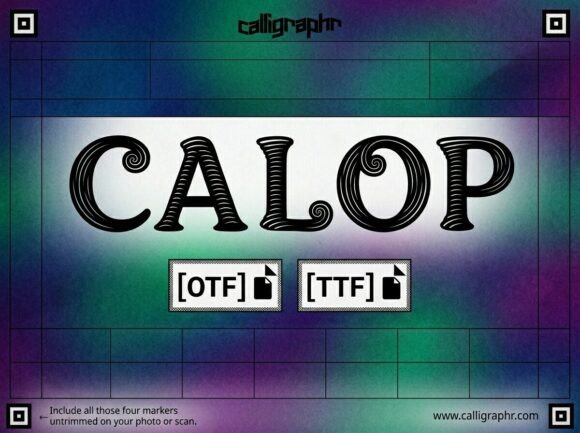
- OTF (OpenType Font): This is the modern professional standard. OTF files can contain a vast number of glyphs (characters), supporting multiple languages and advanced typographic features like ligatures (stylistic letter combinations), alternates (different versions of the same letter), and small caps. For designers using advanced software like Adobe Creative Suite, OTF is the preferred format for maximum creative control.
- TTF (TrueType Font): This is the classic universal format. TTF files ensure compatibility across virtually all operating systems and applications, from word processors to basic design tools. While they may not support the full range of advanced features found in OTF, they are the reliable workhorse for broad usability.
Conclusion: Embracing Typography as a Creative Tool
A decorative display font is far more than just a set of letters. It is a deliberate artistic choice, a mood-setter, and a powerful branding tool. By understanding its purpose—to deliver high-impact, short-form visual messages—and respecting its inherent design rules, creators can leverage these typefaces to break away from the ordinary. Whether you're designing a logo, crafting a headline, or packaging a product, the right decorative font doesn't just convey words; it communicates an entire experience, ensuring your message isn't just seen, but truly felt and remembered.