Rhombus: A Strategic Guide to Using This Art Deco Display Font
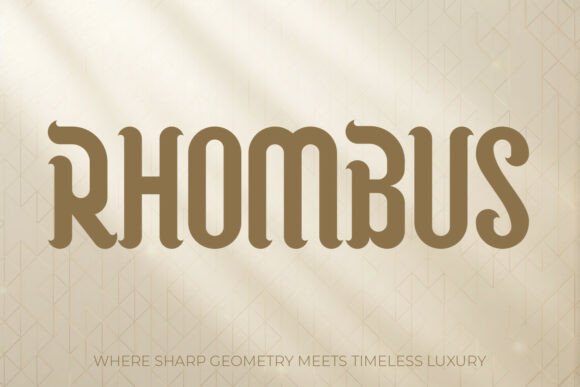
Choosing a typeface is one of the most consequential decisions in any visual project. It's not merely about aesthetics; it's about communication, positioning, and the subconscious message sent to your audience. The Rhombus font, a sophisticated display serif, presents a compelling option for creators and professionals aiming to project a specific, high-end identity. Defined by its sharp geometric precision and Art Deco influences, Rhombus is more than a decorative choice—it's a strategic tool for making a bold statement. Understanding when and how to deploy it can significantly elevate the perception and effectiveness of your work.
The Strategic Value of a Distinctive Font
In a crowded marketplace, differentiation is key. The Rhombus font, with its unique diamond-shaped counters and sleek, architectural lines, offers immediate visual distinction. This isn't a generic serif or a safe sans-serif; it carries an inherent personality that speaks of luxury, modernity, and precision. For entrepreneurs and brand builders, this presents an opportunity. Selecting Rhombus for a logo, for instance, is a deliberate positioning move. It signals to potential customers that the brand values design, attention to detail, and a certain level of sophistication. This initial perception can influence everything from customer expectations to price justification. However, this power comes with responsibility. Using a font as distinctive as Rhombus requires alignment with your core brand values and target audience. It is most effective when the message of luxury, craftsmanship, or modern elegance is authentic to your offering.
Practical Applications for Maximum Impact
The versatility of Rhombus is one of its greatest strengths, but strategic application is what unlocks its potential. Consider its use not as a default, but as a targeted solution for specific communication goals.
- Luxury Wedding Invitations & Event Branding: For event planners and stationers, Rhombus can set the tone from the first glance. Its elegance conveys the importance and exclusivity of the occasion, helping to create a memorable experience for guests. It pairs exceptionally well with high-quality paper stocks and foil stamping, reinforcing a premium experience.
- Premium Product Packaging: In sectors like spirits, gourmet food, or high-end cosmetics, packaging is the first physical touchpoint. Using Rhombus on labels and boxes can communicate quality and craftsmanship before the product is even tried. Think of a boutique distillery or an artisanal chocolate maker—this font can help justify a premium price point through visual language alone.
- Interior Design & Architecture Firms: The font's clean yet decorative nature mirrors the principles of modern interior design. It can be used powerfully in project proposals, lookbooks, and signage to reflect a firm's design philosophy. A portfolio presented with Rhombus headings instantly feels more curated and intentional.
- Boutique Hotel & Hospitality Branding: From room directories to menu designs, the hospitality industry thrives on creating an atmosphere. Rhombus can contribute to a cohesive, luxurious brand identity that enhances the guest experience, making every piece of collateral feel like part of a designed environment.
A Framework for Intentional Use
Adopting a powerful font like Rhombus should be a considered decision, not a random one. A practical framework can help ensure it serves your objectives rather than becoming a stylistic distraction.
- Define the Goal: What is the primary purpose of the communication? Is it to attract a high-net-worth clientele? To position a product as artisanal? To create a sense of timeless elegance? If the goal doesn't align with the font's inherent qualities, it may not be the right tool.
- Audience Alignment: Will your target audience appreciate and understand the aesthetic? A younger, more casual demographic might not connect with Art Deco sophistication in the same way as a design-savvy professional audience. Research and audience insights are crucial here.
- Context and Pairing: Rhombus is a display font, meaning it's designed for headlines and large text, not body copy. A common mistake is using it for paragraphs, which harms readability. Pair it with a clean, neutral sans-serif for body text to create a balanced hierarchy. Consider the entire visual system—colors, imagery, and layout—to ensure the font complements rather than clashes.
- Test for Versatility: Before fully committing, test Rhombus across all your key applications. How does it look on a website header? Is it legible at small sizes on a business card? Does it work in both digital and print formats? This practical testing phase can prevent costly revisions later.
Navigating Potential Risks
While Rhombus offers significant advantages, its misuse can lead to counterproductive results. The primary risk is misalignment. Using a high-concept font for a brand that is fundamentally casual, budget-friendly, or utilitarian can create cognitive dissonance for the customer, eroding trust rather than building it. It can make a brand appear inauthentic or trying too hard.
Another consideration is trend dependency. Art Deco has periodic resurgences in popularity. While Rhombus has a timeless quality, it is currently riding a wave of contemporary design trends. For brands seeking a century-spanning identity, this is a factor to weigh. The goal should be to use the font to express a timeless principle of quality, not just to follow a fleeting style. Overuse can also dilute its impact. If every single element of your branding uses Rhombus, its special, attention-grabbing power is lost. It is most effective as a strategic accent, not the sole voice of your brand.
Achieving Long-Term Value Through Consistency
The true value of a well-chosen font like Rhombus is realized over time through consistent application. When used intentionally across all customer touchpoints—from the website to invoices, from social media graphics to physical signage—it builds a cohesive and recognizable brand world. This consistency reinforces your positioning and makes your brand more memorable. It turns a stylistic choice into a strategic asset.
For freelancers and agencies, mastering the use of typefaces like Rhombus is a mark of professionalism. It demonstrates an understanding that design is a language, and every element, down to the letterform, communicates a message. It allows you to guide your clients toward more effective visual strategies, moving beyond subjective preferences to decisions grounded in communication goals and audience psychology.
Ultimately, Rhombus