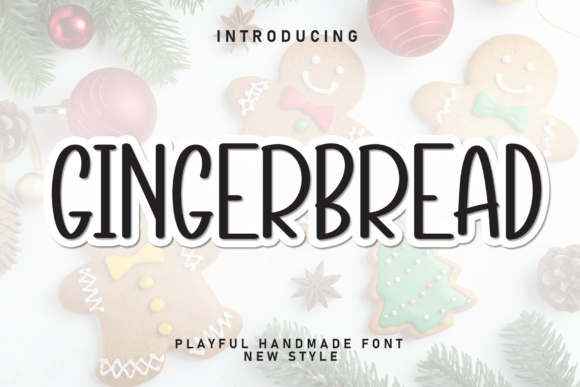
Gingerbread: A Sweet and Friendly Handwritten Font
More Than Just Letters: The Essence of Gingerbread
Imagine the warmth of a kitchen filled with the scent of spices, the joyful chaos of decorating cookies with loved ones, and the simple, heartfelt charm of a handwritten note. This is the feeling captured by the Gingerbread typeface. It’s not merely a collection of glyphs; it’s a digital whisper of nostalgia, a font that carries a personality as distinct and comforting as its namesake. Gingerbread is a charmingly unique handwritten display font, a delightful fusion of sweet and friendly aesthetics designed to inject a playful vibrancy into any project.
At its core, Gingerbread features soft, rounded edges and a casual, flowing rhythm that mimics genuine handwriting. The letters have a slight irregularity that feels human and approachable, avoiding the sterile perfection of standard system fonts. This design choice makes it an ultimate choice for projects where connection and emotion are paramount. It’s a typeface that doesn’t just display words; it delivers a mood. Whether you're crafting wedding invitations that radiate whimsy, designing personalized cards that feel genuinely personal, or building a brand identity that seeks to be seen as approachable and fun, Gingerbread provides the foundational spark.
Why Different Creators Reach for Gingerbread
The appeal of a font like Gingerbread isn't universal in its application, but its charm resonates across a surprisingly wide spectrum of users. Its value changes depending on who is using it and for what purpose. Understanding these perspectives can help you decide if it’s the right tool for your creative kit.
For the Hobbyist and DIY Enthusiast
If you're a hobbyist scrapbooking your family memories, creating custom party decorations, or designing a unique blog header, Gingerbread is a gift. Its primary value here is ease of use and instant personality. You don't need a background in typography to make it look good. Its inherent charm does the heavy lifting. A hobbyist can drop Gingerbread into a simple template for a birthday invitation, and the result feels immediately special and crafted, transforming a basic digital creation into something that touches the heart. The learning curve is virtually nonexistent, making it a reliable and joyful tool for personal projects.
For the Small Business Owner and Entrepreneur
A bakery owner, a children's boutique manager, or a handmade craft seller faces a different set of priorities. For them, font choice is a branding decision. Gingerbread can be a powerful asset if it aligns with their brand's voice. A local café might use it for their menu chalkboard or loyalty card to convey a cozy, homemade vibe. A children's clothing brand could use it sparingly in logos or marketing materials to signal fun and creativity.
However, the professional must also evaluate commercial value and flexibility. They need to ensure the font's licensing allows for commercial use. They must also consider its legibility at small sizes, such as on a business card or website footer. Gingerbread, as a display font, is best used for headlines, logos, and short bursts of text rather than long paragraphs. Its strength is in making a memorable first impression, not in conveying dense information. The savvy business owner uses it as a strategic accent, not the entire voice of their brand.
For the Graphic Designer and Freelancer
Experienced designers evaluate fonts with a more technical and strategic eye. They appreciate Gingerbread not just for its aesthetic, but for its technical quality and creative potential. They will examine the consistency of its letterforms, the availability of alternate characters and ligatures, and how well it pairs with more neutral, readable fonts for body text. A designer might use Gingerbread to solve a specific client brief: creating a playful header for a wedding planner's website or a friendly logo for a community event.
Their priorities include reliability and long-term usefulness. Does the font render cleanly across different software and devices? Is it part of a larger, versatile family? For the professional, Gingerbread is one tool among many. Its value lies in its ability to fill a specific niche in their typographic toolkit—the niche for warm, handwritten, and approachable. They can leverage its character to bring a client's vision to life, ensuring the final design is both beautiful and effective.
For Educators and Content Creators
Teachers creating classroom materials, bloggers designing printable worksheets, or YouTubers crafting video thumbnails have a unique need for fonts that are engaging yet clear. Gingerbread can make educational materials feel less intimidating and more inviting for young learners. A blogger might use it for chapter headings in an e-book to maintain a friendly, personal tone throughout their content.
The key here is balancing charm with readability. An educator must ensure that the playful nature of Gingerbread doesn't hinder a child's ability to recognize letterforms. A content creator must test it at the sizes and on the screens where their audience will view it. When used appropriately—for titles, callouts, or decorative elements—it can significantly enhance the presentation and make content more memorable and approachable, thereby increasing its learning and engagement value.
Practical Applications: Bringing Gingerbread to Life
Seeing how Gingerbread translates into real-world projects can solidify its place in your creative process.
- Wedding Suite: Use Gingerbread for the names of the couple on the invitation, the menu headers, and the thank-you card. Pair it with a clean serif font for the details to ensure elegance and legibility.
- Product Packaging: A small-batch jam company could use Gingerbread on its label for the product name and a tagline like "Made with Love," reinforcing its artisanal, homemade story.
- Social Media Graphics: Create Instagram story templates with Gingerbread for quotes or announcements. Its friendly vibe can increase engagement and make your content feel more personal amidst a crowded feed.
- Personal Branding: A life coach or wellness blogger could use Gingerbread for their logo or website headers to immediately communicate a sense of warmth, approachability, and personal connection.
Is Gingerbread the Right Font for Your Project?
Choosing Gingerbread is a decision rooted in the desired emotional impact of your work. It is an excellent match if your goal is to evoke warmth, nostalgia, playfulness, and a handcrafted feel. It shines in projects where the audience is meant to feel a personal connection—invitations, greeting cards, boutique branding, and creative content.
It may not be the best fit for projects requiring a tone of serious professionalism, high-tech precision, or minimalist austerity. Corporate reports, legal documents, or sleek tech startup branding would likely call for a different typographic voice. Its strength is its specificity.
Ultimately, Gingerbread is more than a font; it's a conduit for feeling. It allows you to bake a little bit of sweetness, friendliness, and joy directly into your designs. By understanding its character and aligning it with your project's goals and your audience's expectations, you can harness its unique power to create work that is not only seen but felt, transforming ordinary creations into pieces that truly catch the eye and touch the heart.