Sad Vibes: The Strategic Power of a Handwritten Font
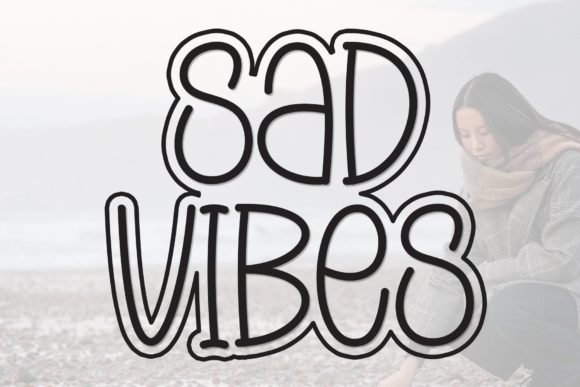
In the vast ecosystem of design assets, typography is often treated as a mere utility—a vehicle for transmitting information. However, for the strategic creator, the entrepreneur, or the seasoned marketer, typography is a voice. It is the first impression and the lingering aftertaste. When we look at the Sad Vibes font, we see more than just a collection of handwritten letters; we see a specific emotional tool designed to bridge the gap between professional content and personal connection. This charming, whimsical typeface offers a unique opportunity to humanize digital and print communications, but leveraging it requires a thoughtful approach to design and branding strategy.
Understanding the "Whimsical" as a Strategic Asset
The description of Sad Vibes as embodying "sweetness and a friendly demeanor" is not merely aesthetic fluff. In user experience (UX) and brand psychology, "friendliness" translates to trust and approachability. When a consumer encounters a rigid, corporate sans-serif font, their brain processes authority and distance. When they encounter the playful, irregular strokes of a handwritten font like Sad Vibes, the brain processes intimacy and authenticity.
For the decision-maker or small business owner, this distinction is critical. If your goal is to build a community rather than just a customer base, the visual language must reflect that warmth. Sad Vibes is not a font for drafting legal contracts or technical manuals; it is a font for creating a conversation. It suggests that behind the product or service is a human being who values creativity and light-heartedness. This aligns perfectly with the modern shift toward brands that prioritize personality over polish.
Strategic Applications: Beyond the Wedding Invitation
While the prompt rightly identifies wedding invitations and greeting cards as natural homes for this typography, limiting Sad Vibes to the stationery aisle would be a strategic error. Its "irresistible light-hearted charm" makes it a versatile asset across various business operations and creative projects.
1. Brand Positioning and Identity
For freelancers, educators, and content creators, personal branding is paramount. Using Sad Vibes in your logo or primary headers can immediately position you as an approachable expert. For example, a life coach or a creative writing tutor could use this font to signal that their sessions are safe, judgment-free zones filled with imagination. It acts as a visual cue that says, "We prioritize the human element here."
2. Marketing and Customer Retention
In email marketing, the battle for attention is won in the subject line and the header. Integrating Sad Vibes into email headers can break the monotony of corporate communication. However, this must be done with intent. If you are running a sale on artisanal goods or launching a creative workshop, the whimsical nature of the font reinforces the excitement of the event. It creates a "breath of fresh air" in a crowded inbox, increasing the likelihood of engagement.
3. Product Packaging and Unboxing Experience
The "unboxing" experience is a cornerstone of modern e-commerce strategy. When a customer receives a package, the typography on the thank-you note or the care instructions contributes to their emotional response. A handwritten font like Sad Vibes elevates a standard piece of paper into a personal token of appreciation. It transforms a transaction into a relationship, encouraging repeat business and social media sharing.
Decision-Making: When to Use (and When to Avoid) Sad Vibes
Effective design is about context. A skilled practitioner knows that a tool is only as good as the hand that wields it. Before integrating Sad Vibes into your workflow, you must assess the specific goals of the project.
The Use Case for Engagement: If your primary goal is to lower barriers to entry, foster community, or evoke nostalgia, Sad Vibes is an excellent choice. It works beautifully on "About Us" pages, blog headers, and social media graphics where the goal is to stop the scroll and create an emotional resonance. Its playfulness skims across the characters, offering a visual rhythm that feels organic and alive.
The Risk of Mismatched Tone: Conversely, relying on Sad Vibes without clear context can be detrimental. If you are a cybersecurity firm or a financial advisory service, using a whimsical handwritten font for your main body copy could undermine your credibility. It may signal a lack of seriousness or professionalism. The risk here is cognitive dissonance; the visual style contradicts the service offered. Therefore, Sad Vibes should be used as an accent or for specific campaigns rather than the entire operational voice of a high-stakes corporate entity.
Practical Implementation: A Guide for Creators
To truly "immerse your creative projects in a world bursting with fun," you must move beyond simply installing the font. You must plan its usage to maximize readability and impact.
- Hierarchy is Key: Sad Vibes excels in headlines and call-outs. Avoid using it for long paragraphs of body text. Handwritten fonts can cause eye strain over long distances, reducing the readability of your message. Use it to draw the eye, then transition to a clean, legible font for the details.
- Pairing for Contrast: To maintain professionalism, pair Sad Vibes with a neutral, geometric sans-serif (like Montserrat or Lato). This contrast highlights the uniqueness of the handwritten element while keeping the overall layout grounded and organized. This balance is essential for maintaining the "charming" aesthetic without tipping into chaos.
- Color Psychology: The nature of Sad Vibes lends itself to softer, warmer color palettes or bold, playful neons. Avoid pairing it with stark, aggressive corporate blues or greys unless you are intentionally trying to subvert expectations. The font breathes best when given space and color that complements its organic curves.
Long-Term Value: Building Brand Equity with Typography
Consistency is the bedrock of brand equity. When you select Sad Vibes as part of your design toolkit, you are making a promise to your audience about the kind of experience they will have with your brand. Over time, this font becomes synonymous with the "light-hearted charm" you project.
For the entrepreneur, this creates a compounding return. As customers begin to associate the distinct look of Sad Vibes with positive emotions—joy, ease, and friendliness—they become more likely to engage with future content. It becomes a signature. However, this only works if the font is used consistently and intentionally. Randomly mixing it with conflicting styles will dilute the brand voice.
Planning for Scalability
As your business grows, will your typography scale? While Sad Vibes is perfect for a boutique brand or a solo creator, consider how it will look on a billboard or a trade show banner. Fortunately, well-designed handwritten fonts maintain their character at various sizes, but testing is required. Ensure that the "delightful playfulness" doesn't become illegible squiggles when scaled up for outdoor advertising.
Conclusion: The Art of Intentional Design
Sad Vibes is more than just a font; it is a design element that injects personality into the mundane. For the adult professional—whether a marketer, educator, or hobbyist—it offers a way to cut through the digital noise with a voice that feels genuinely human. By understanding the strategic implications of its "sweetness" and applying it with intention to the right channels, you can elevate your projects from simple communications to memorable experiences. Use it to tell a story, to welcome a customer, or to simply add a smile to a page, but always use it with purpose.