Kenangan Script Font: A Charming Dance for Your Creative Projects
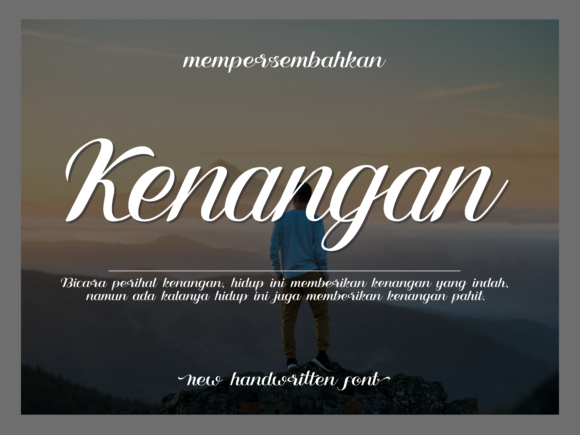
Imagine a font that doesn't just sit on the page, but performs. Kenangan is exactly that—a lovely script typeface where each character seems to dance along the baseline, bringing a sense of playful elegance and warmth to your work. It’s more than just letters; it’s a tool for adding personality, emotion, and a distinct handcrafted feel to a wide array of creative endeavors. Whether you're designing a logo, crafting a wedding invitation, or developing a brand identity, understanding how a font like Kenangan can serve your goals is key to making your projects stand out.
What Exactly is Kenangan?
At its core, Kenangan is a script font characterized by its flowing, connected letterforms and charming, slightly whimsical style. The term "script" indicates it mimics cursive handwriting, but Kenangan does so with a unique flair that feels both personal and polished. Its characters are designed with subtle variations and swashes that give it a dynamic, dancing quality, avoiding the rigidity of more formal typefaces. This makes it exceptionally suited for projects that aim to convey warmth, creativity, and a human touch.
A crucial technical feature of Kenangan is its PUA encoding. PUA, or Private Use Area, is a standard in typography that allows for the inclusion of additional glyphs, swashes, ligatures, and alternate characters that aren't accessible via standard keyboard keys. For users, this means Kenangan comes with a rich toolkit of decorative elements. You can easily access these extras through your design software's glyph panel, enabling you to customize letter combinations, add elegant flourishes to the beginning or end of words, and truly tailor the font to your specific design needs. This level of flexibility is a significant advantage for anyone looking to create unique, non-generic typography.
Why Different Creators Will Care About Kenangan
The value of a font like Kenangan isn't one-size-fits-all. Its appeal and utility shift depending on who is using it and for what purpose. Let's explore how different individuals and professionals might view and use this charming script.
For the Graphic Designer or Branding Specialist
A professional designer constantly seeks tools that offer both quality and flexibility. Kenangan's PUA encoding is a major draw here. It provides a library of stylistic options within a single font family, allowing for the creation of bespoke logos, monograms, and typographic compositions that feel exclusive. The font's playful yet elegant dance can help brands in lifestyle, wedding, artisanal food, or boutique retail sectors establish a friendly and approachable identity. The priority is on commercial value and presentation—Kenangan helps deliver client work that is distinctive and emotionally resonant.
For the Entrepreneur and Small Business Owner
Small business owners, especially those without a dedicated design team, need fonts that are easy to use yet impactful. Kenangan's charm can instantly elevate marketing materials, product packaging, social media graphics, and website headers. Its dancing script can make a bakery's menu feel more homemade, a consultant's proposal feel more personal, or an online store's branding feel more curated. The key considerations are cost-effectiveness and practicality. A font like Kenangan can be a one-time investment that significantly upgrades the visual professionalism of a brand across multiple touchpoints, saving the cost of custom lettering.
For the Hobbyist, Blogger, or Content Creator
For those creating for passion or personal projects—such as bloggers, YouTubers, or scrapbookers—Kenangan offers a way to inject creativity and personality into their work. It's perfect for designing eye-catching blog post titles, creating beautiful quotes for social media, or personalizing digital planners and journals. The ease of accessing swashes and alternates through PUA encoding can be a fun learning experience, allowing hobbyists to experiment with typography without needing advanced skills. The focus here is on creative expression and the learning value of exploring new design tools.
For the Educator or Publisher
Educators creating classroom materials or publishers designing book covers and chapter headings might use Kenangan selectively. Its dancing quality could be perfect for a children's book title, a creative writing workshop flyer, or an artistic header in an educational magazine. However, for long body text or formal academic materials, its readability at small sizes would be a concern. The priority is contextual suitability and presentation. It’s a tool for adding decorative emphasis where appropriate, not for replacing clear, legible body fonts.
Practical Applications: Matching Kenangan to Your Project
To determine if Kenangan aligns with your goals, consider these practical scenarios:
- Wedding Invitations & Stationery: This is a natural fit. Kenangan's elegance and playful dance can set a romantic, joyful tone for save-the-dates, invitations, and thank-you cards.
- Logo Design for Creative Businesses: Ideal for photographers, florists, artists, boutique shops, and cafes seeking a logo that feels personal and handcrafted.
- Social Media Graphics: Use it for quotes, promotional announcements, or story headers to grab attention and convey a specific brand personality.
- Product Packaging: Enhance the label of a handmade candle, artisanal jam, or specialty coffee with a touch of Kenangan's charm to suggest quality and care.
- Digital Products: Create beautiful covers for e-books, worksheets, or online course materials that look professional and engaging.
However, Kenangan may not be the best choice for:
- Long-Form Body Text: Its script nature can reduce readability in paragraphs. It's best used for headlines, short phrases, or accents.
- Highly Technical or Corporate Documents: The playful dancing quality might undermine the desired tone of serious professionalism in legal contracts, annual reports, or technical manuals.
- Projects Requiring Extreme Clarity at Small Sizes: On very small screens or low-resolution prints, intricate swashes might become muddled.
Evaluating Kenangan: Key Considerations
When deciding if Kenangan is right for you, weigh these priorities based on your skill level and project needs:
- Ease of Use: If you're a beginner, the PUA encoding might require a quick tutorial on accessing glyphs in your software (like Adobe Illustrator, Photoshop, or even Canva). Once understood, it's straightforward.
- Quality & Craftsmanship: Look at the consistency of the letterforms, the flow of connections, and the design of the alternates. Kenangan is crafted to maintain legibility and aesthetic appeal across its variants.
- Flexibility & Customization: The number and variety of swashes and alternates determine how unique you can make your typography. More options mean less chance of your design looking like someone else's.
- Commercial License: Always verify the license. For any business use—client work, merchandise, or monetized content—you need a license that permits commercial use. This ensures reliability and legal safety.
- Long-Term Usefulness: Consider if a charming script font fits your ongoing brand or creative style. A versatile font family with multiple weights or styles offers more longevity, but Kenangan's specific charm makes it a powerful specialty tool.
Ultimately, Kenangan is a specialized creative asset. It shines in contexts where warmth, personality, and a hand-drawn aesthetic are desired. It empowers users to add a layer of artistic flair that can be difficult to achieve with standard fonts. By understanding its strengths, its technical features like PUA encoding, and aligning them with your specific project requirements—whether that's for personal joy, professional client work, or business branding—you can make an informed decision. Let your creative ideas dance; Kenangan might just be the perfect partner to make them stand out.