Wedding Floral Monogram: Choosing and Using This Handwritten Font Perfectly
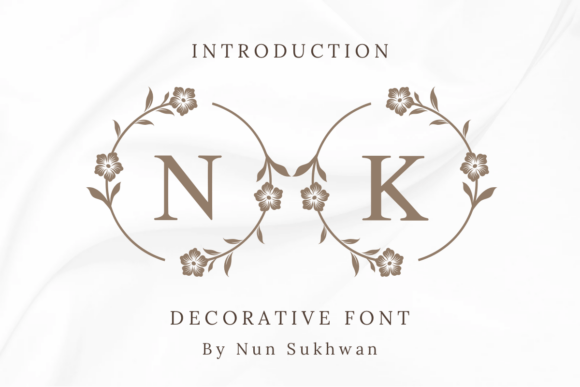
When planning a wedding or designing stationery for a couple, every detail matters. You want a typeface that captures the romance and personal touch of the occasion, which is why the Wedding Floral Monogram font has become such a popular choice among designers and DIY enthusiasts. At its core, this is a handwritten font designed to mimic the fluidity of ink on paper, offering an organic and intimate aesthetic. While it is an excellent tool for taking notes, writing a diary, or making greeting cards, its versatility extends much further. You can successfully apply it to banners, website content, mugs, t-shirts, stationery, and social media posts. However, the elegance of a script font often hides specific technical challenges. If you treat this font like a standard sans-serif, you risk ruining the visual appeal of your project.
Avoiding the "Crowded Letter" Trap
One of the most common mistakes beginners make when using Wedding Floral Monogram is ignoring the kerning, or the spacing between letters. Because this is a handwritten style, the letters are designed to connect fluidly. When you type standard text, the default tracking might be too tight, causing the loops and swashes of the letters to crash into one another. This creates a visual mess that looks less like a romantic script and more like an unreadable ink blot.
Imagine designing a welcome sign for a wedding reception. You type "Welcome to our Wedding" in large letters. If you haven't adjusted the spacing, the "e" at the end of "Welcome" might collide with the "t" in "to," making it look like a strange symbol. This issue is even more pronounced on smaller items like gift tags or envelope addresses.
The Better Approach: Always manually adjust the tracking and kerning in your design software. If you are using tools like Adobe Illustrator, Canva, or Photoshop, highlight the text and increase the spacing slightly until each letter breathes. A good rule of thumb for script fonts is to ensure that the connection points between letters are visible but not strained. This small adjustment transforms the text from "amateur" to "professional" instantly.
Legibility is Not Optional
There is a fine line between "decorative" and "illegible." Wedding Floral Monogram features beautiful swashes and flourishes that add personality, but these can become a hindrance if used incorrectly. A frequent oversight is using this font for long paragraphs of essential information, such as directions to the venue or the dinner menu. While it looks beautiful in a headline, the human eye struggles to track long lines of handwritten text, especially for older guests or those reading in dim lighting.
Consider a scenario where you print the entire schedule of the wedding day in this script font. Guests will likely squint, lose their place, or simply give up reading. This creates frustration rather than appreciation.
The Better Approach: Use the Wedding Floral Monogram font strategically. It is best suited for headers, names, short phrases, and monograms. For body text—such as the RSVP address, ingredient lists for food, or detailed instructions—pair it with a clean, highly readable serif or sans-serif font. For example, use the floral script for the couple's names on a menu card, but use a classic font like Garamond or Lato for the list of appetizers. This contrast highlights the beauty of the handwritten font without sacrificing functionality.
Color and Contrast Mistakes
Because Wedding Floral Monogram is a handwritten font, the strokes vary in thickness. This characteristic is what gives it its charm, but it also makes it vulnerable to color contrast issues. A common error is placing this font in a light color against a light background or a dark color against a busy background. Thin strokes can disappear entirely, making the text look broken or faint.
For instance, printing this font in a soft blush pink on a white piece of stationery might look romantic on your computer screen, but once printed, the ink may bleed slightly into the paper, rendering the text invisible. Similarly, placing the text over a photo with varying light and dark areas will make parts of the words unreadable.
The Better Approach: Ensure high contrast. If you are using a dark background, choose a font color that is significantly lighter, and vice versa. If you must place text over an image, use a semi-transparent shape or a "knockout" box behind the text to ensure the letters stand out. Additionally, when creating monograms for mugs or shirts, remember that screen printing and embroidery have minimum line thickness requirements. You may need to thicken the font slightly or choose a specific color that offers maximum opacity to ensure the design holds up physically.
The Licensing and Modification Reality
Another area where users run into trouble is the technical and legal side of using fonts. Many people download Wedding Floral Monogram assuming they can use it for anything, or they attempt to modify the font file itself without understanding font licensing. Furthermore, because it is a decorative font, standard capitalization rules often don't apply. Typing in all capitals with a script font usually results in letters that don't connect properly and look disjointed and aggressive rather than elegant.
The Better Approach: Before downloading, verify the license. If you are creating products to sell—like printed mugs or digital templates—you generally need a commercial license. If you are just making a one-time wedding invite for a friend, a personal license usually suffices. Always read the "Read Me" file included in the download package.
Regarding usage, pay attention to the included glyphs and alternate characters. High-quality fonts like Wedding Floral Monogram often come with multiple versions of lowercase letters to help you customize connections. If the standard "r" doesn't connect well to the "o," look for an alternate version in your software's glyphs panel. This level of detail is what separates a generic design from a bespoke-looking invitation.
Final Checks Before You Print or Publish
Before you finalize any design involving Wedding Floral Monogram, take a moment to evaluate the project from the user's perspective. Ask yourself the following:
- Is the hierarchy clear? The most important information (names, dates) should be the most stylized. Secondary info should be simpler.
- Is it scalable? If you are using the font for a small business logo or social media post, zoom out. Does it lose detail when small? If so, simplify the design.
- Does it match the medium? Embroidery requires thicker lines than digital print. Ensure the font style matches the final product format.
By respecting the unique characteristics of Wedding Floral Monogram