Mechanical Grunge: The Typeface Forged in Industry and Authenticity
In a digital landscape saturated with sleek, perfect vector graphics, there is a growing counter-movement seeking texture, history, and grit. Designers and brands are increasingly looking for ways to break the sterile perfection of modern screens, reaching for visuals that feel tangible and lived-in. At the forefront of this aesthetic shift is Mechanical Grunge, a typeface that doesn't just sit on the surface but feels like it has been ripped from the very machinery it emulates. This is not merely a font; it is a statement of raw, industrial power blended with the inevitable decay of time.
Mechanical Grunge is a raw, industrial typeface forged in the heart of machinery and decay. It represents a specific intersection of engineering precision and organic erosion. While many fonts aim for clarity, Mechanical Grunge aims for character. It acknowledges that objects in the real world are rarely perfect. By drawing inspiration from worn metal, rusted surfaces, and the relentless grind of heavy equipment, this typeface captures a visual language that speaks of labor, durability, and the passage of time. For the modern creator, it offers a bridge between the digital world and the tactile reality of the industrial age.
The Aesthetic of Controlled Chaos
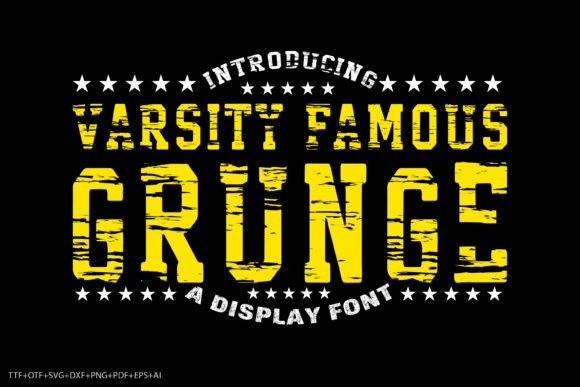
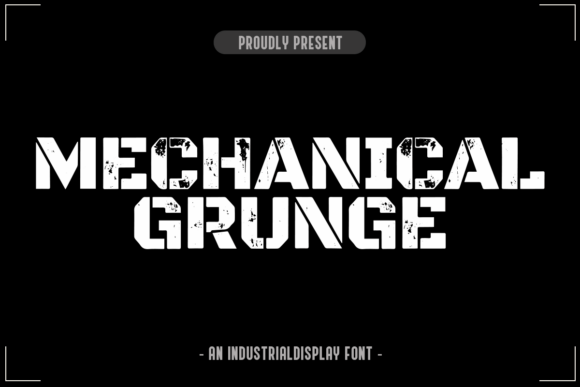
To understand the appeal of Mechanical Grunge, one must appreciate its construction. It is a study in contrasts. On one hand, there is the underlying structure of a bold, industrial sans-serif—the kind of lettering you might find stamped onto the side of a shipping crate or welded onto a steel beam. This provides a foundation of legibility and strength. However, layered over this precision is the "grunge" element: distressed textures, fractured edges, and subtle inconsistencies.
These imperfections are not random errors; they are design features that evoke the specific visual of aging steel and oil-stained factory floors. When a designer selects this font, they are choosing a tool that carries an inherent narrative. The letters look as though they have been subjected to high pressure, heat, and friction. This creates a visual weight that standard, clean typography simply cannot replicate. It transforms simple text into a texture, allowing the words themselves to become part of the overall visual composition rather than just an overlay.
Why Industrial Texture is Trending Now
The resurgence of interest in industrial typography and distressed aesthetics is not accidental. It is a reaction to the ubiquity of "flat design" and the hyper-polished look of corporate tech branding that dominated the last decade. As user interfaces became minimalist and corporate identities became increasingly homogenous, a gap opened up for designs that felt more human, more analog, and more authentic.
This shift is visible across multiple sectors. In the music industry, particularly within underground scenes, punk, and heavy metal, the raw aesthetic of Mechanical Grunge is a staple. It communicates rebellion and an anti-corporate stance. However, this style has also permeated mainstream culture. We see it in the "industrial chic" of interior design, the popularity of vintage workwear fashion, and the visual language of post-apocalyptic media. Modern consumers, particularly those in the 20-50 demographic, often respond to visuals that suggest heritage and substance. Mechanical Grunge fits this demand perfectly, offering a visual shorthand for something that is built to last, even if it shows signs of wear.
Breaking the Digital Sterility
For web designers and digital marketers, Mechanical Grunge serves a specific functional purpose: it breaks the monotony of digital sterility. On a screen full of rounded sans-serifs and pastel gradients, a headline rendered in Mechanical Grunge creates an immediate focal point. It demands attention not through loud colors, but through textural depth. This is particularly relevant in an era where brand differentiation is harder than ever. Using a typeface that feels engineered and eroded helps brands carve out a distinct visual identity that stands apart from the generic.
Practical Applications for Creators and Businesses
The versatility of Mechanical Grunge allows it to be applied across a wide range of creative and professional projects. Its ability to convey attitude without sacrificing legibility (at the right size) makes it a powerful tool for various applications.
Music and Entertainment Artwork
For bands, DJs, and festival organizers, album art and promotional posters are essential. Mechanical Grunge is ideal for genres that emphasize energy, distortion, and raw emotion. It pairs exceptionally well with dark backgrounds, high-contrast photography, and gritty illustration styles. The fractured edges of the letters can mirror the distortion of an electric guitar or the heavy bass of industrial techno, creating a cohesive visual identity.
Industrial and Heritage Branding
Brands that sell physical products—especially those in the automotive, construction, outdoor gear, or craft beverage industries—can leverage this font to emphasize durability. A craft brewery, for instance, might use Mechanical Grunge to evoke the steel tanks where the beer is fermented. An outdoor equipment company might use it to suggest that their gear can withstand the elements. It signals to the consumer that the product is robust and tested.
Post-Apocalyptic and Gaming Visuals
The gaming community and fans of dystopian fiction have a strong affinity for this aesthetic. Mechanical Grunge captures the beauty of corrosion and the power of machines in a way that resonates deeply with post-apocalyptic themes. It is perfect for game titles, UI elements in survival games, or promotional material for sci-fi events. It helps build a world that feels gritty and real, even within a fictional context.
Implementing Mechanical Grunge: Best Practices
While Mechanical Grunge is a potent design asset, it requires a thoughtful approach to be effective. Because of its heavy texture and distinct personality, it does not behave like a neutral workhorse font. Here are some practical considerations for integrating it into your workflow:
- Pairing with Simplicity: Because Mechanical Grunge is complex and textured, it should almost always be paired with a clean, simple sans-serif or serif font for body copy. Using it for large blocks of text can make reading difficult and visually fatiguing. Let it shine in headlines, logos, and pull quotes.
- Size Matters: This typeface is designed to be displayed at larger sizes where its intricate details—like the fractured edges and distressed textures—can be appreciated. At very small sizes, the "grunge" elements may become muddy or look like printing errors rather than intentional design choices.
- Context is Key: Ensure the tone of the font matches the message. While it is excellent for a heavy metal concert flyer or a rugged construction company, it might feel out of place on a wedding invitation or a luxury spa brochure. The font carries strong connotations of industry and roughness that must align with the brand's voice.
- Color and Contrast: Mechanical Grunge looks striking in monochromatic schemes, particularly white or yellow text on a black background, or vice versa. However, it also holds up well against textured backgrounds like concrete, rust, or brushed metal, provided there is enough contrast to maintain readability.
The Psychology of the "Engineered and Eroded" Look
There is a deeper psychological reason why designs featuring Mechanical Grunge resonate with modern audiences. We live in an age of mass production and disposable goods. A visual style that embraces erosion and decay paradoxically feels more valuable. It suggests an object has a history. When a brand uses a distressed industrial font, they are subtly telling a story of resilience. They are saying, "We have been through the grind, and we are still here."
This aligns with the broader cultural appreciation for the "maker movement" and artisanal craftsmanship. People are increasingly interested in how things are made. The oil-stained, factory-floor aesthetic of Mechanical Grunge taps into this curiosity. It removes the veneer of perfection and exposes the mechanics underneath. For entrepreneurs and freelancers, using this typeface can be a way to signal transparency and a no-nonsense approach to business. It suggests that the focus is on the work itself, rather than superficial polish.
Evolving Beyond the Factory Floor
While its roots are firmly planted in industrial machinery, the application of Mechanical Grunge is evolving. We are seeing it adapted into more artistic contexts, where the "decay" is treated as a form of texture art. Graphic designers are layering it with watercolors or glitch effects to create a fusion of analog and digital aesthetics. This versatility ensures that the font remains relevant even as design trends shift.
Furthermore, the rise of high-resolution displays has allowed for a greater appreciation of textural details in typography. In the past, screen limitations might have washed out the subtle cracks and rust details of a font like Mechanical Grunge. Today, on 4K and Retina screens, these details are crisp and impactful, allowing the typeface to function as a piece of micro-art within a larger design.
A Tool for Authentic Storytelling
Ultimately, Mechanical Grunge is more than just a collection of distressed letters. It is a tool for authentic storytelling. In a world where consumers are increasingly skeptical of overly polished corporate messaging, a little bit of grit can go a long way. It humanizes a brand. It suggests that there is a real process behind the product or service, a process that involves hard work and perhaps a few scratches along the way.
For the educator or blogger, it can be used to highlight critical points or to give a "reality check" aesthetic to their content. For the entrepreneur, it can help establish a brand identity that feels grounded and reliable. By capturing the power of machines and the beauty of corrosion, Mechanical Grunge offers a unique way to communicate strength, durability, and unvarnished truth in visual design.